
About Flesh, Blood, Even a Heart
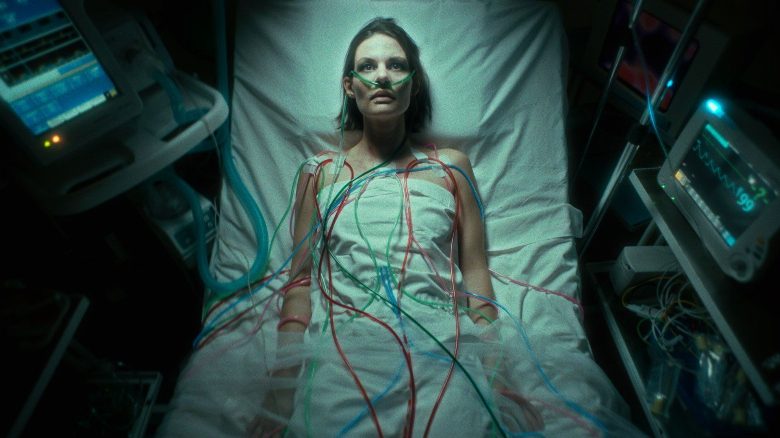
Liv's estranged alcoholic dad is about to die. The doctors at the hospital make no sense. Her husband is about to have a midlife crisis. Her washing machine is broken. She thinks she'll be fine as these are regular adult problems. Spoiler alert: she won't.
Alise Zarina returns to the director chair with Flesh, Blood, Even a Heart, a project that skillfully balances the absurdity of daily existence against the crushing weight of inevitable loss. While global cinema has seen a recent surge in high-octane thrillers and massive spectacles, this Latvian production finds its power in the quiet, messy intersections of domestic life. By anchoring the narrative in the perspective of a woman attempting to maintain a facade of normalcy while her family structure disintegrates, the film taps into a universal anxiety that feels particularly resonant in today’s landscape. It is a refreshing departure from the trend of grand cinematic universes, opting instead for a granular, human-centric examination of how we navigate the chaos of adulthood when the foundations begin to crumble.
The story follows a protagonist who believes she can compartmentalize her troubles, treating the decline of an estranged parent and the shifting behavior of her spouse as mere inconveniences to be managed alongside household chores. This approach creates a darkly comedic tension that elevates the film beyond a standard family drama. Viewers who appreciate the nuanced character studies found in contemporary independent world cinema will find much to admire here. The performances, particularly from Ieva Seglina, provide the necessary emotional grounding to ensure that the shift between humor and tragedy feels earned rather than forced. It is a testament to the script that even the most mundane household failures serve as metaphors for the protagonist's fragile psychological state, reminding us that sometimes the breaking of a machine is the final straw in an otherwise carefully curated life.
For audiences accustomed to the high-stakes emotional beats of regional Indian cinema, where family loyalty and filial duty often take center stage, this film offers a fascinating cross-cultural parallel. While the setting is distinctly Latvian, the underlying themes of reconciliation and the exhausting labor of being the glue that holds a family together are themes that translate effortlessly across borders. It is positioned as an essential watch for those who prefer stories that do not shy away from the imperfections of human connection. Alise Zarina continues to demonstrate a keen eye for the complexities of modern relationships, making this an engaging addition to her filmography that invites reflection long after the screen goes dark. Whether you are seeking a thoughtful character piece or simply a masterclass in tone control, this film stands out as one of the more grounded and observant dramas to emerge from the European independent circuit in recent years.