About Found Footage 3D
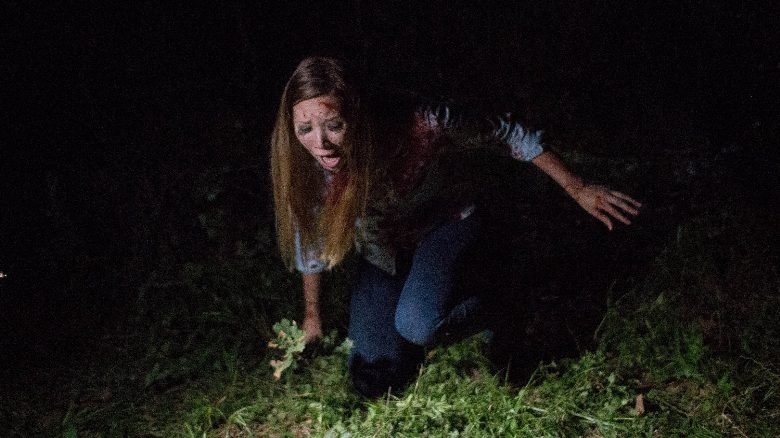
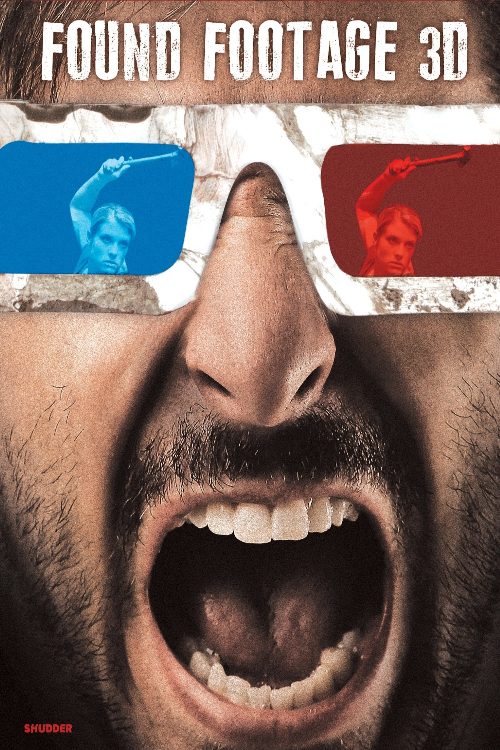
A group of filmmakers sets out to make the first 3D found footage horror movie, but find themselves IN the first 3D found footage horror movie when the evil entity from their film escapes into their behind-the-scenes footage.
Deep within the meta-horror landscape of the mid-2010s, Found Footage 3D emerges as a clever subversion of a trend that had already begun to show signs of exhaustion. While audiences were accustomed to the shaky-cam aesthetic of the Blair Witch era, director Steven DeGennaro chose to inject a self-referential layer that examines the technical vanity of the filmmaking process itself. By focusing on a production crew attempting to pioneer a stereoscopic leap for the genre, the movie transforms the typical haunted location trope into a psychological battlefield where the boundary between the creator and the creation dissolves. This project serves as a time capsule for an era obsessed with the gimmick of 3D, turning that very technology into a conduit for genuine dread rather than just a visual enhancement.
For enthusiasts of Indian horror cinema, which often leans heavily on supernatural folklore and atmospheric tension, this film offers a starkly different flavor of scares that prioritize irony and technical playfulness. It aligns with the global shift toward elevated genre pieces that demand viewers pay close attention to the frame, much like the recent wave of experimental thrillers emerging from the Malayalam and Hindi industries that challenge traditional narrative structures. The ensemble cast, including Carter Roy and Doran Ingram, delivers performances that bridge the gap between amateurish enthusiasm and genuine terror, grounding the high-concept premise in a believable workplace dynamic. It functions best for those who appreciate films that poke fun at their own existence while still managing to unsettle the nerves.
The brilliance of this particular horror experiment lies in its structural audacity. By trapping its characters within the very medium they are struggling to produce, the film forces the audience to question the reliability of the perspective provided. It is a cynical yet affectionate look at the lengths to which independent creators will go to achieve a cinematic breakthrough, ultimately suggesting that the pursuit of fame can be more dangerous than any ghostly specter. Anyone interested in the evolution of digital storytelling or the mechanics of fear will find this a fascinating case study in how to reinvent a stale format. As a piece of genre fiction, it stands as a testament to the idea that the most terrifying stories are often the ones we accidentally write for ourselves while looking through a lens.