About Freud's Last Session
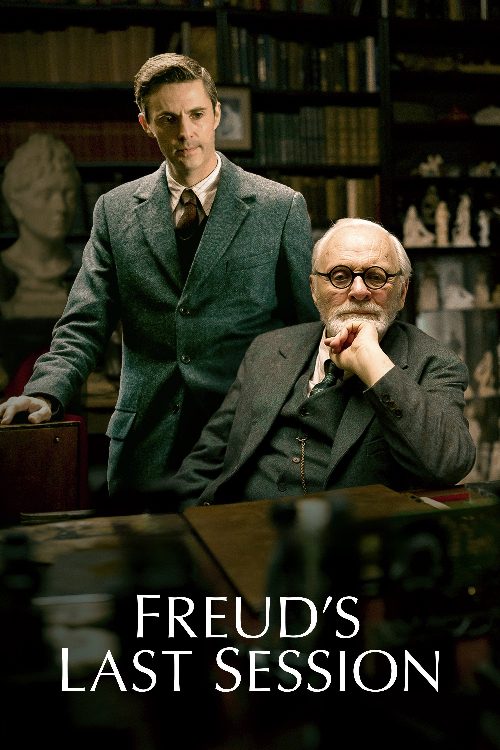
On the eve of the Second World War, two of the greatest minds of the twentieth century, C.S. Lewis and Sigmund Freud converge for their own personal battle over the existence of God. The film interweaves the lives of Freud and Lewis, past, present, and through fantasy, bursting from the confines of Freud’s study on a dynamic journey.
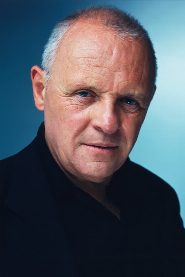
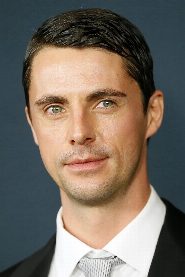
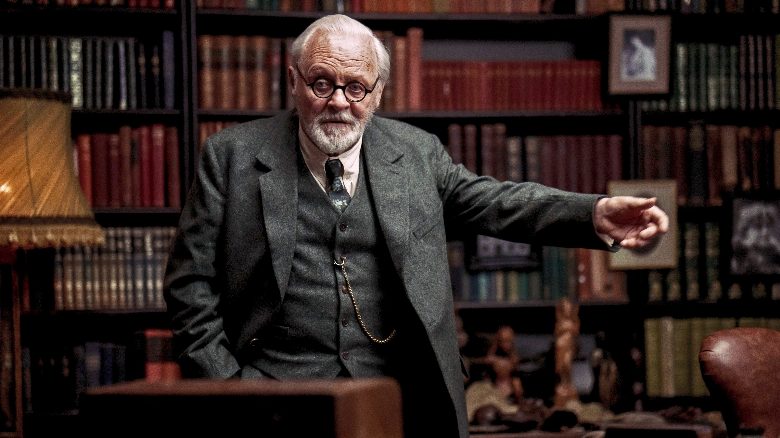
The impending shadow of global conflict provides a stark, claustrophobic backdrop for this intellectual duel between two titans of human thought. By placing Sigmund Freud and C.S. Lewis in the same room on the cusp of the Second World War, the film transcends the limitations of a standard historical drama to explore the friction between psychoanalysis and faith. While many viewers might associate Anthony Hopkins with high-stakes thrillers, his return to playing a historical figure of immense gravity offers a masterclass in nuanced performance. He portrays a man facing his own mortality while clinging to the rationalist frameworks that defined his life, creating a compelling contrast with the younger, fervor-filled Lewis played by Matthew Goode. This production moves beyond a dry academic debate, utilizing a fluid narrative structure that pulls the audience out of the study and into the memories and anxieties that shaped these two men.
For fans of Indian cinema, particularly those who appreciate the philosophical depth found in recent Malayalam dramas or the character-driven narratives prevalent in prestige Telugu storytelling, this film offers a similar intellectual stimulation. It mirrors a growing trend in global cinema where filmmakers are moving away from spectacle to focus on the power of dialogue and the weight of conviction. The script succeeds by treating the clash between atheism and spirituality not as a simple argument to be won, but as a deeply human struggle for meaning during a time of chaos. Because the story relies heavily on the chemistry between its leads, it will resonate most with viewers who prioritize acting caliber and rigorous screenplay writing over fast-paced editing or visual pyrotechnics.
The director captures the tension of 1939 London with a sense of dread that reflects the inner turmoil of the characters. By weaving in segments that reach beyond the confines of the main setting, the film prevents the material from becoming stagnant or overly theatrical. It is a contemplative experience that asks the audience to consider their own beliefs against the backdrop of history. Those who gravitate toward films that examine the legacy of great thinkers will find this a worthwhile addition to the genre. It stands as a testament to the idea that some of the most intense battles are fought not on the front lines of a war, but within the private sanctuaries of the human mind, where our deepest values are tested against the inevitability of the future.
Cast(16)