Frog Goes to Dinner(1986)
About Frog Goes to Dinner
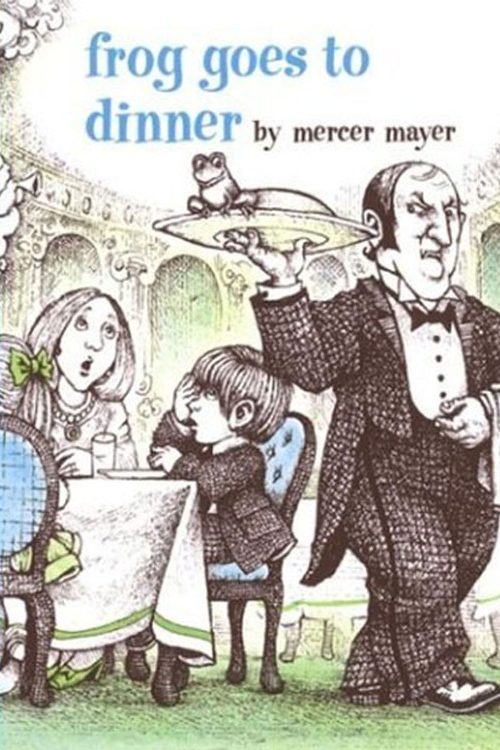
Adaptation of the book by the same name
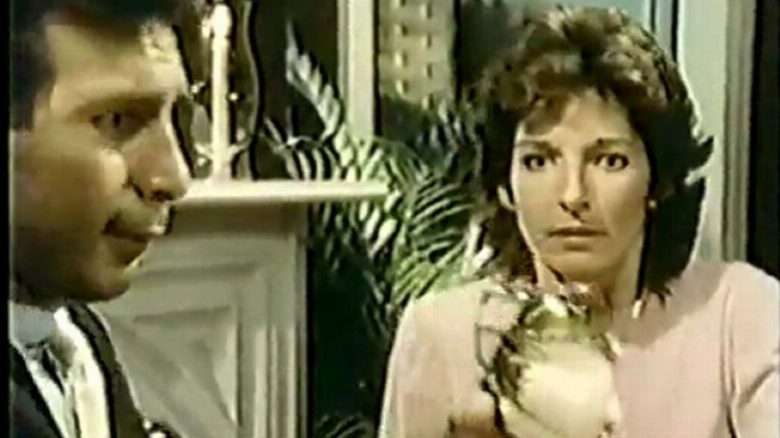
Stepping away from the high-octane spectacles and gritty narratives that currently dominate the global cinematic landscape, Frog Goes to Dinner serves as a delightful reminder of the enduring power of whimsical, low-stakes family storytelling. Adapted from the beloved children's book, this 1986 production captures a specific brand of gentle humor that feels almost like a relic of a simpler era. While audiences today are accustomed to complex visual effects and sprawling multiverses, this film relies entirely on the charm of its premise and the earnest performances of Larry Watson and his ensemble cast. It stands as a curious artifact of live-action family comedy, reflecting a time when modest, character-driven scenarios were the backbone of weekend afternoon television and home video collections.
For viewers who frequent the vibrant landscape of Indian cinema, where narrative scales often lean toward the epic or the melodrama, Frog Goes to Dinner offers a refreshing shift in gear. It lacks the massive musical numbers or the intense hero-villain dynamics common in Telugu or Hindi hits, but it mirrors a similar commitment to the concept of family unity and the chaotic joy of domestic life. Much like the lighthearted comedies found in the Malayalam film industry that prioritize situational humor over spectacle, this movie finds its footing in the absurdity of its central conceit. The film functions as a masterclass in escalating tension, transforming an ordinary social setting into a playground of mischievous possibilities that will likely resonate with younger audiences and those nostalgic for the mid-eighties aesthetic.
The production is clearly designed for families seeking a quiet, uncomplicated viewing experience that prioritizes laughter over gravitas. Bruce Donaldson, Elise Dewsberry, and the rest of the supporting players lean into the playful tone, ensuring the performances remain grounded enough to keep the audience invested in the outcome of their predicament. While it may not reach the technical polish of modern animation or big-budget family films, its straightforward approach to storytelling feels authentic and sincere. It is a testament to the idea that a strong, singular premise can carry a film just as effectively as a massive budget. For anyone interested in the history of family-oriented comedies or simply looking for a nostalgic journey back to a time when cinema felt a little more intimate, this adaptation remains a charming, if niche, entry in the genre.