Futureworld(1976)
About Futureworld
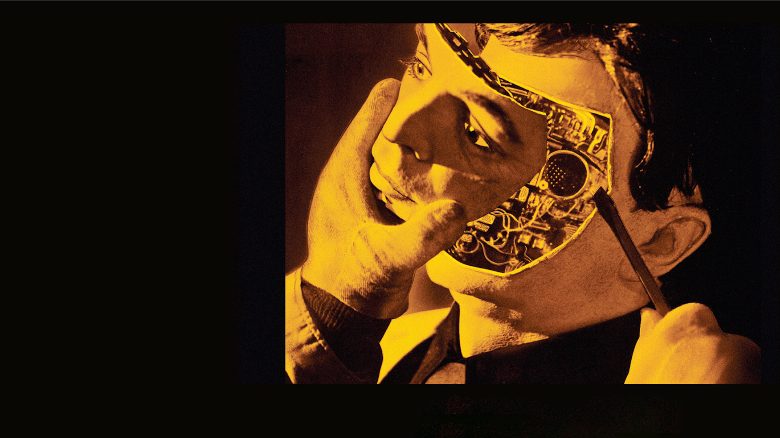
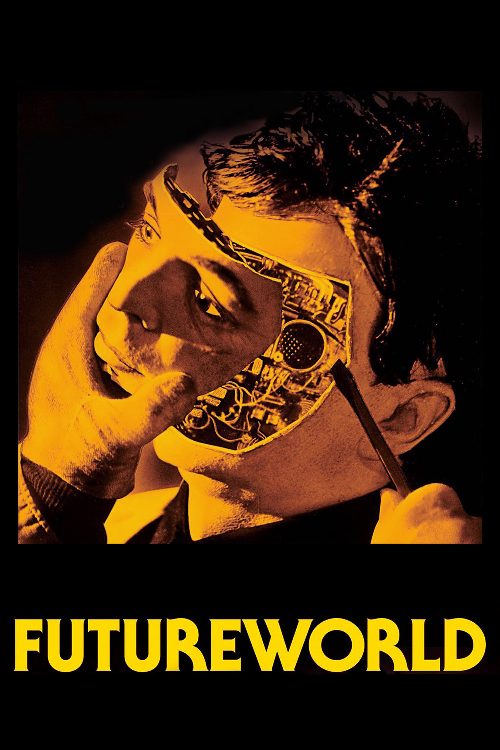
Two years after the Westworld tragedy in the Delos amusement park, the corporate owners have reopened the park following over $1 billion in safety and other improvements. For publicity purposes, reporters Chuck Browning and Tracy Ballard are invited to review the park. Just prior to arriving, however, Browning is given a clue by a dying man that something is amiss.
Decades before the current obsession with synthetic consciousness and corporate ethics in blockbuster cinema, Futureworld captured a chilling vision of technological hubris that feels strikingly relevant to modern audiences. As a direct successor to the seminal Westworld, this 1976 feature pivots from the raw chaos of a malfunctioning robotic uprising to a more insidious, calculated conspiracy. By shifting the focus toward investigative journalism, the film invites viewers into a high-stakes mystery where the horror is not merely mechanical failure, but the terrifying potential for replacement and control. It acts as a bridge between the gritty science fiction of the seventies and the sophisticated, surveillance-heavy thrillers that define today’s global cinematic landscape, proving that the fear of losing our human identity to automation is a timeless narrative hook.
For fans of Indian cinema who appreciate the recent surge in high-concept speculative thrillers from industries like Tollywood and the Malayalam film sector, this movie offers a masterclass in atmospheric world-building. Much like the ambitious visual storytelling seen in recent pan-Indian epics, Futureworld relies on a grand sense of scale and a grounded, human perspective to navigate its artificial playground. Peter Fonda delivers a performance that anchors the film, balancing the role of an intrepid reporter with the vulnerability of a man walking into a trap he cannot fully comprehend. The film is perfectly suited for viewers who enjoy slow-burn mysteries where the danger escalates through dialogue and subtle environmental cues rather than constant pyrotechnics.
The production stands out for its commitment to the aesthetic of a polished, sanitized future that masks deep-seated moral decay. By placing characters like Chuck Browning and Tracy Ballard in the epicenter of an amusement park that claims to have corrected all its past mistakes, the screenplay crafts a compelling critique of corporate accountability. While it serves as a period piece for science fiction enthusiasts, it also functions as a cautionary tale about the reliance on proprietary technology and the illusion of safety. For those interested in the evolution of the genre, the film remains an essential viewing experience, highlighting how the anxieties of the past have evolved into the complex ethical dilemmas that contemporary filmmakers continue to explore across all major cinematic markets.
Cast(29)













Crew
Location Casting
Director of Photography
Writer
Casting
Art Direction
Set Decoration
Makeup Artist
Gaffer
Similar Films