About Get to Work
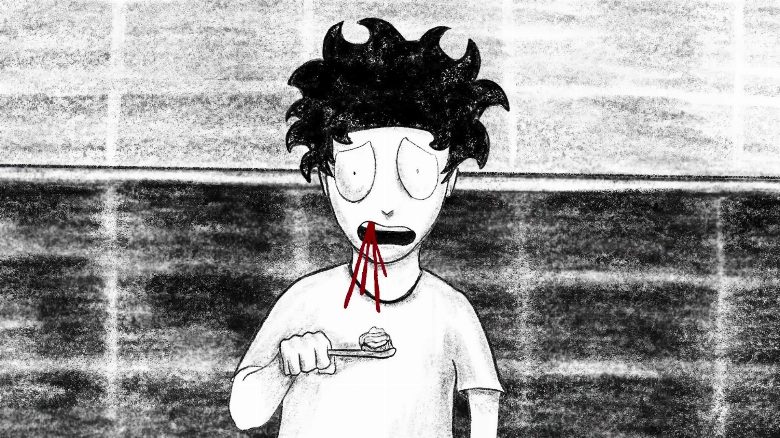
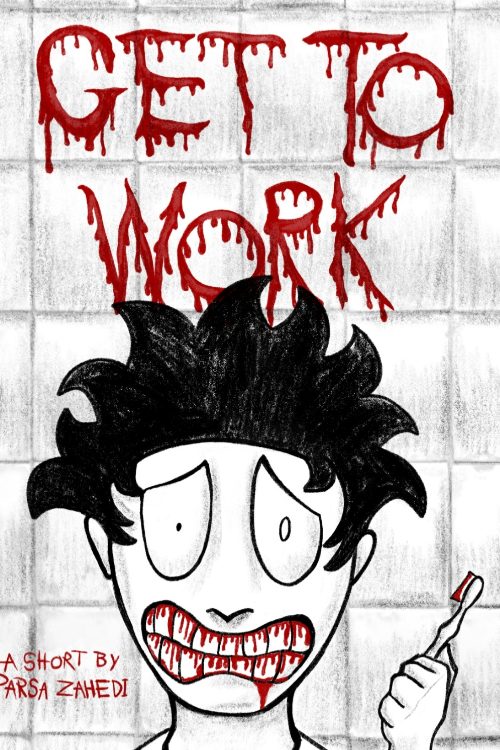
A man struggles in his bathroom through a severe panic attack as he desperately tries to work through it and get to work on time.
Parsa Zahedi's Get to Work arrives as a potentially unsettling animated exploration of internal struggle, promising a visceral dive into the disorienting grip of a panic attack. The film centers on a solitary figure battling his own mind within the confined space of a bathroom, his urgent need to face the outside world clashing with the overwhelming force of his anxiety. This premise immediately sets it apart, eschewing grand narratives for a raw, character-driven focus on a universally understood yet often unspoken human experience. The animation medium here feels less like a tool for escapism and more like a potent amplifier for psychological turmoil, allowing for visual metaphors and sensory distortions that might be harder to achieve in live-action.
While this is an English-language production, its thematic resonance with the burgeoning introspective and genre-bending trends seen in many contemporary Indian independent films is striking. Much like certain recent Malayalam or Tamil dramas that delve into mental health with unflinching honesty, Get to Work appears poised to offer a similarly intimate and perhaps cathartic viewing experience. The film is likely to appeal to audiences who appreciate psychological thrillers that prioritize atmosphere and emotional authenticity over jump scares, and those who are drawn to stories that bravely confront the complexities of mental well-being. It’s a film for anyone who has ever felt the world shrink to the size of their own racing heart.
Director Parsa Zahedi, with this project, seems to be carving out a niche for himself in crafting deeply personal and psychologically charged narratives. The success of Get to Work will undoubtedly hinge on his ability to translate the internal chaos of a panic attack into compelling visual storytelling, making the audience not just observers but active participants in the protagonist's desperate bid to regain control. It’s a bold artistic choice that could yield a profoundly affecting and memorable cinematic moment, offering a fresh perspective on a common yet often misunderstood affliction.