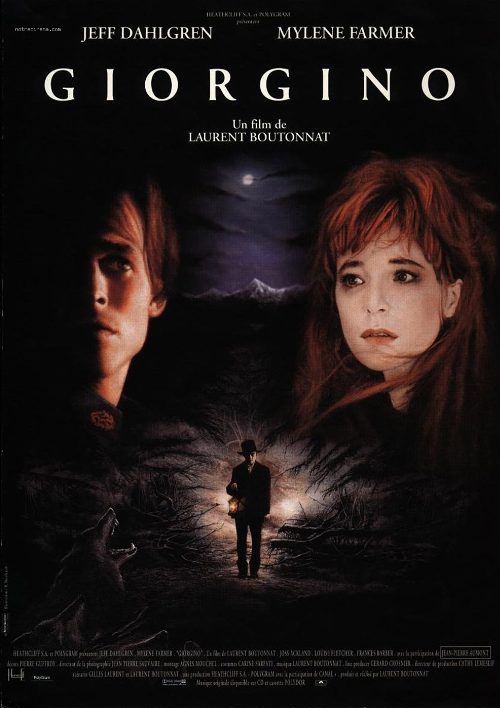
Giorgino(1994)
About Giorgino
October 1918: After returning to the civil life, the young Doctor Giorgino Volli searches for a group of children, which he had been the care-taker of before the first world war began. However, soon the searching becomes a part of hide-and-seek with death. Giorgino finds a village bordered with a treacherous marsh and rumours of wolves. There he also meets the mysterious Catherine....
Set against the bleak, rain-swept landscape of rural France in the dying days of the Great War, Giorgino serves as a haunting exploration of trauma and obsession that feels distinctly removed from the mainstream cinema of its era. This atmospheric drama follows a young physician who ventures into a remote, isolated village on a mission to locate a group of children he once supervised before the chaos of global conflict tore his life apart. What begins as a search rooted in compassion quickly descends into a suffocating psychological trap. The film excels at building a sense of dread, utilizing the desolate marshlands and the encroaching shadow of a local orphanage to create an environment where the boundaries between reality and nightmare are perpetually blurred.
For fans of international cinema, especially those accustomed to the vibrant, high-energy storytelling found in industries like the Telugu or Hindi film circuits, this French production offers a starkly different pace. It eschews typical genre conventions in favor of a melancholic, gothic aesthetic that prioritizes mood and sensory detail over rapid plot progression. The inclusion of Mylene Farmer, a cultural icon whose presence brings an ethereal, enigmatic quality to the role of Catherine, elevates the narrative into something bordering on the operatic. The film is essentially a meditation on the psychological scars left by warfare, capturing the desperation of a man trying to rescue innocence in a world that has already descended into madness.
Viewers who enjoy slow-burn psychological thrillers that prioritize atmosphere and visual storytelling will find much to admire here. It is not a film designed for casual viewing but rather for an audience that appreciates the heavy, somber textures of European art-house horror. By focusing on the protagonist's descent into a localized hell characterized by rumors of predatory beasts and a village clinging to its own dark secrets, the film manages to feel both intimate and expansive. The deliberate, methodical direction ensures that every frame feels soaked in history and regret, making it a compelling piece of work for those who find beauty in the unsettling. Whether it is the biting cold of the setting or the profound isolation of the characters, Giorgino remains a singular experience that lingers long after the final credits roll, standing as a testament to the power of mood-driven storytelling in 1990s cinema.
Cast(54)