
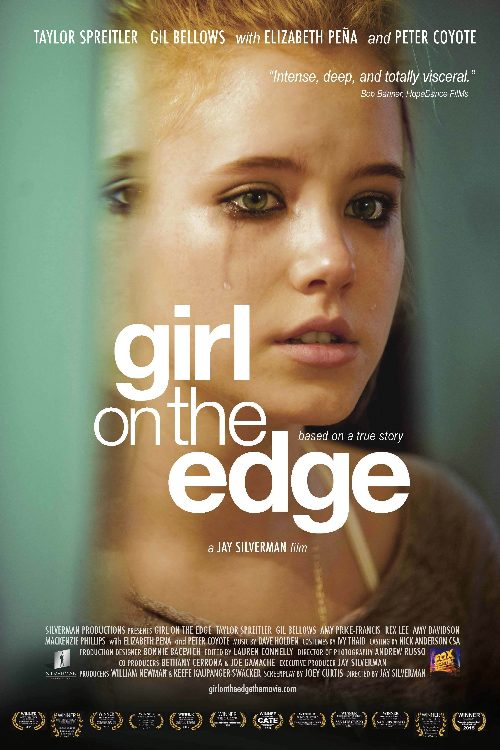
About Girl on the Edge
A powerful true story about the journey of a troubled teenage girl who finds healing in the most unlikely of places, and who must choose to either invest in her own recovery or succumb to the trauma of her past.
The visceral experience of navigating adolescent trauma often feels like a solitary descent, yet Girl on the Edge transforms this internal struggle into a compelling narrative of resilience and redemption. While contemporary global cinema frequently explores the fragility of youth through high-octane thrillers or stylized coming-of-age dramas, this film opts for a grounded, intimate approach. It invites viewers into the turbulent life of a young protagonist whose path toward self-destruction is suddenly interrupted by a transformative intervention. By focusing on the psychological gravity of her situation rather than sensationalizing her pain, the production carves out a space for genuine emotional resonance that feels both urgent and profoundly human.
For audiences accustomed to the high-stakes storytelling prevalent in current Indian cinema, where directors often weave complex social issues into the fabric of mainstream narratives, this film offers a fascinating cross-cultural parallel. Much like the poignant dramas emerging from the Malayalam or Tamil film industries, which are increasingly praised for their realistic portrayals of mental health and familial dynamics, Girl on the Edge prioritizes character depth over traditional plot tropes. It serves as a stark reminder that the battle for one's own future is universal, transcending geographic boundaries. The film functions as an exploration of the choices that define us, making it a particularly poignant watch for those who appreciate stories that refuse to offer easy answers or sugarcoat the reality of recovery.
The strength of the project lies in its cast, particularly the nuanced performances that anchor the heavy subject matter. By placing the narrative in the hands of actors who can convey volumes through silence and subtle gestures, the film avoids the pitfalls of melodrama. It is tailored for viewers who gravitate toward character-driven pieces that challenge the status quo, effectively bridging the gap between independent American storytelling and the global appetite for authentic, emotionally demanding cinema. Whether you are a fan of psychological character studies or simply seek a story that champions the strength of the human spirit, this film stands as a testament to the idea that healing is not a destination but a deliberate, often difficult, series of choices. It positions itself as a quiet yet powerful entry in the genre, inviting reflection on the paths we choose when faced with our darkest moments.
Cast(10)