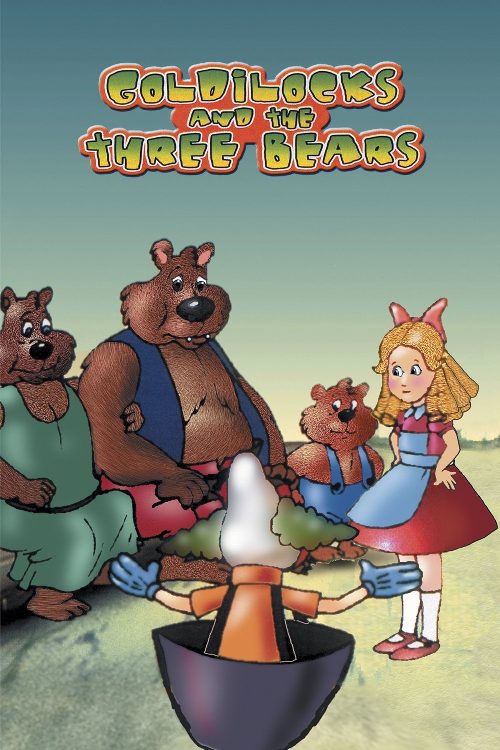
Goldilocks and the Three Bears(1991)
About Goldilocks and the Three Bears
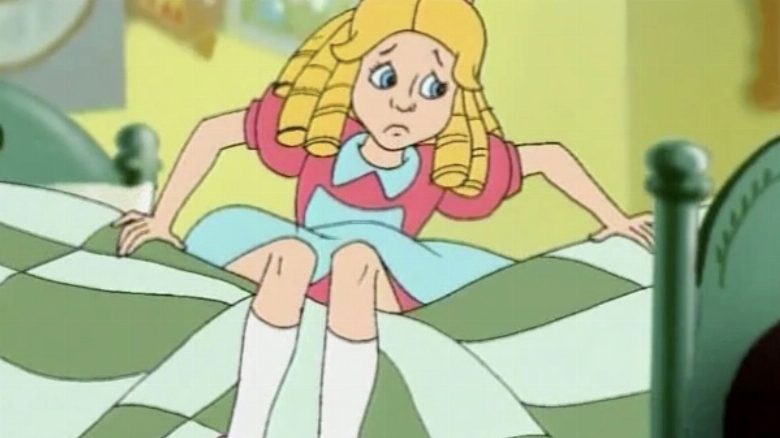
During a walk in the woods, Goldilocks comes to a house where they live three bears, which spend a wonderful day and fun. Days later discovers to her horror that the three bears have been chained and forced to work in a circus. Goldilocks, with the help of Bongo and other animals in the circus, it helps the bears to return home.
The 1991 animated feature Goldilocks and the Three Bears directed by Ryszard Slapczynski offers a curious departure from the traditional nursery rhyme structure that audiences have known for generations. Rather than focusing solely on the domestic intrusion of a young girl into a woodland home, this adaptation shifts gears into a rescue narrative that highlights animal welfare and friendship. By reimagining these iconic figures, the film positions itself as a moral fable for younger viewers, moving away from the cautionary tale of trespassing and toward a story of empathy and cooperation. It remains a fascinating artifact of early nineties animation, reflecting the era’s penchant for turning classic folklore into character driven adventures that prioritize heart over simple slapstick humor.
For those who appreciate the evolution of fairy tale adaptations in global cinema, this project serves as a clear example of how international directors utilized animation to address more complex themes like captivity and liberation. While the film retains a whimsical aesthetic, the introduction of the circus setting creates a palpable shift in tone, turning the protagonists from simple woodland dwellers into sympathetic figures caught in a human controlled system. It is this specific pivot that distinguishes the work from the countless other iterations of this story. The voice work by Lee Perry, Clair Crowther, and Joanna Moore anchors the experience, providing the necessary emotional weight to make the plight of the bears feel significant to a family audience.
Viewers who enjoy lighthearted yet socially conscious animation will likely find value in this production. It is particularly well suited for audiences interested in the history of independent animation and the ways in which classic literature has been adapted to suit changing cultural values regarding animal rights. Slapczynski brings a structured approach to the narrative, ensuring that the transition from a peaceful forest environment to the high stakes world of the circus remains accessible for children while maintaining enough tension to keep the story engaging. As a mid-tier animated release from that decade, it represents a period of experimentation within the genre where directors sought to add depth to familiar characters, ultimately creating a bridge between simple bedtime stories and more substantive cinematic experiences. Whether viewed for its nostalgic charm or its unique spin on a well-worn premise, this film remains a curious entry in the broader landscape of family oriented animation.
Cast(3)



Crew
Similar Films