
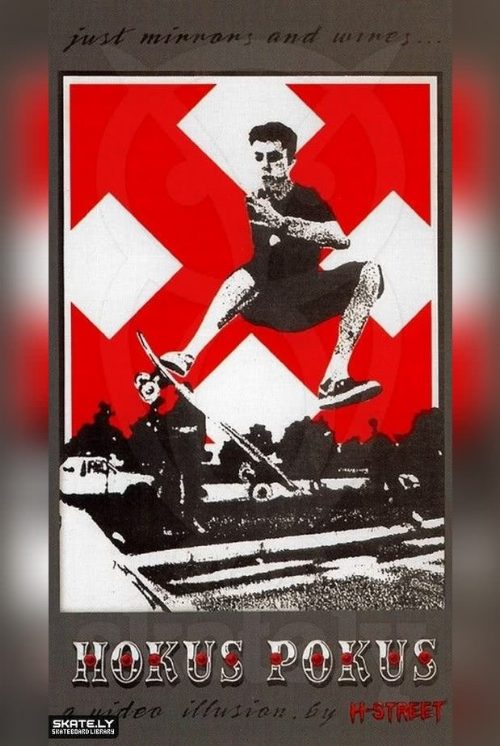
H-Street - Hokus Pokus(1989)
About H-Street - Hokus Pokus
The late eighties marked a transformative era for visual storytelling, and H-Street Hokus Pokus stands as a definitive artifact of a subculture that was rapidly gaining mainstream traction. While international cinema audiences often focus on narrative-heavy dramas from France, this particular production shifts the lens toward the raw, kinetic energy of urban athleticism. By capturing the authentic spirit of the street skating scene, the film operates more as a rhythmic, stylistic document than a traditional scripted feature. It serves as a fascinating time capsule, showcasing a period when the aesthetic of the pavement was beginning to bleed into global fashion, music, and youth identity, mirroring the way current trendsetters in the Indian film industry are increasingly turning toward hyper-specific subcultures to energize their own regional narratives.
For those who appreciate the intersection of documentary-style observation and high-octane performance, this film offers a compelling look at the pioneers of the sport. The presence of figures like John Sonner and Sal Barbier provides a level of legitimacy that casual observers will immediately recognize as the bedrock of modern street culture. Much like the recent wave of gritty, realistic dramas coming out of the Malayalam or Tamil industries that prioritize atmospheric immersion over elaborate plot devices, Hokus Pokus relies on the sheer magnetism of its subjects. Viewers who enjoy films that favor visual flow, expressive editing, and a distinct sense of place will find this project particularly engaging, as it eschews conventional dialogue in favor of the language of movement.
This piece of cinema is an essential watch for anyone interested in the evolution of alternative sports media and its eventual influence on global entertainment. It captures a raw, unfiltered enthusiasm that is difficult to replicate in modern, highly produced studio environments. By focusing on the camaraderie and competitive spirit of the cast, the film succeeds in making the viewer feel like a participant in a clandestine movement rather than a passive observer. Whether you are a fan of vintage aesthetics or simply curious about how niche hobbies were translated into the language of film decades ago, the work remains a vibrant example of how independent creators can define an entire generation through a singular, focused lens. It stands as a testament to the idea that true cultural impact often begins on the sidelines and the streets, far from the polished stages of traditional cinema.