

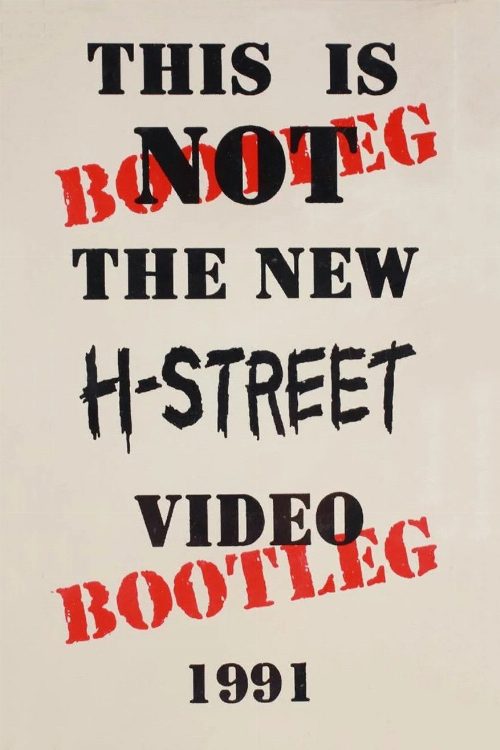
H-Street - This Is Not The New H-Street Video(1991)
About H-Street - This Is Not The New H-Street Video
An unconventional release from H-Street Skateboards that serves as a collection of leftover and unused material from earlier H-Street productions. There are two versions of this release with different soundtracks; one featuring Operation Ivy and Sub Society, and another with Bad Religion and Black Flag.
The early nineties represented a transformative era for underground sports culture, and H-Street stands as a pivotal document that captures the raw, unpolished energy of that transition. Rather than functioning as a standard narrative film or a polished promotional reel, this project emerged as a deliberate assembly of outtakes and discarded footage from the brand's previous efforts. By choosing to highlight the moments that did not make the final cut of their earlier major releases, the production team inadvertently created a gritty, authentic time capsule. It serves as a fascinating study of the aesthetic shift occurring within the skateboarding scene at the time, moving away from the highly produced style of the eighties toward a more spontaneous and rebellious visual language that prioritized personal expression over technical perfection.
For cinephiles interested in the history of independent media and visual storytelling, this work is particularly notable for its experimental approach to soundtracking. The choice to offer the release with two entirely different musical backdrops was a bold decision that fundamentally altered the mood and pacing of the skating sequences. One iteration leans into the frantic, high-energy sounds of punk legends like Black Flag and Bad Religion, while the other pivots toward the distinct melodic hardcore vibes of Operation Ivy. This structural divergence highlights how drastically music can influence the perception of movement and rhythm in non-narrative film, making it a compelling case study for anyone intrigued by the intersection of subculture, sound design, and experimental editing.
While the film lacks the traditional structure of mainstream cinema, its appeal lies in its refusal to conform to industry standards. It is a must-watch for those who appreciate the evolution of street culture and the DIY spirit that defined the nineties. The cast, featuring iconic figures such as Mike Carroll and Sal Barbier, provides a rare look at these athletes during their formative years, capturing a sense of camaraderie and creative freedom that is often scrubbed away in modern high-budget productions. Whether viewed as a historical artifact of board sports or a piece of avant-garde documentary filmmaking, the film remains a testament to the idea that sometimes the most compelling stories are found in the discarded footage rather than the meticulously crafted final product. It is an essential watch for anyone who values the unscripted, chaotic beauty of a bygone era.