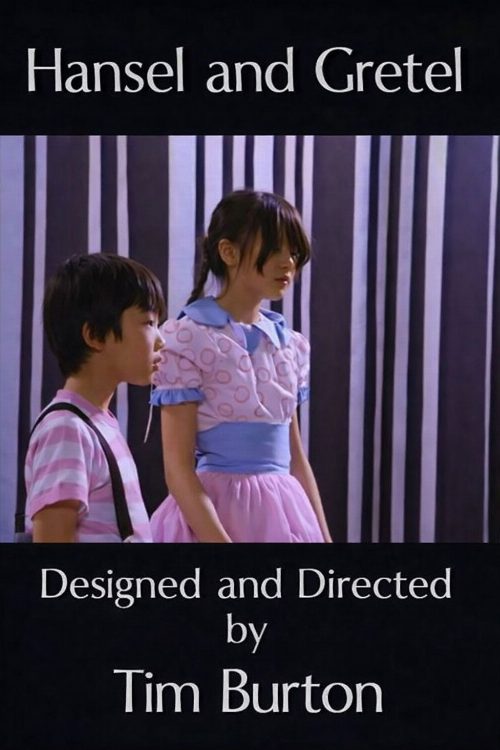
Hansel and Gretel(1983)
About Hansel and Gretel
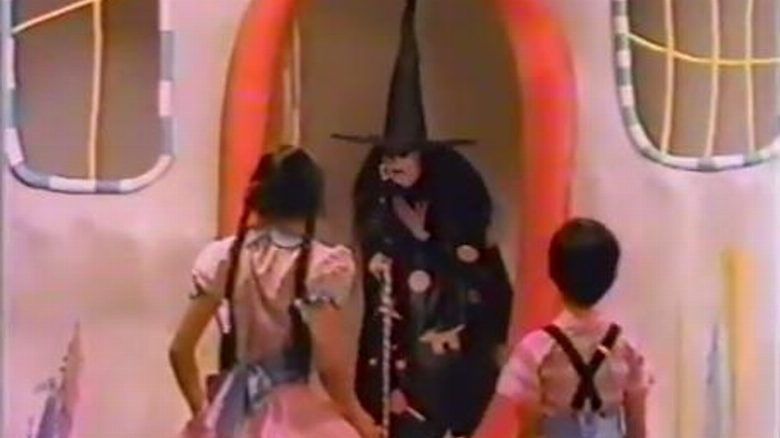
Tim Burton's reimagined classic combines live action and stop motion, making for a creepy adventure into the woods. It is known for having aired only once on Disney Channel, on Halloween Night in 1983.
Long before he became a household name synonymous with gothic whimsy and dark suburban satire, Tim Burton directed a peculiar television experiment that remains one of the most enigmatic chapters in his early career. This 1983 reimagining of the classic fairy tale serves as a fascinating window into the director’s formative aesthetic, showcasing the nascent stop-motion techniques and macabre sensibilities that would eventually define his signature style. By opting for a low-budget, high-concept approach, the production feels less like a polished studio release and more like a fever dream captured on celluloid, blending practical effects with a surreal, haunting atmosphere that feels distinctly out of step with the typical family fare of the early eighties.
The film stands out primarily for its scarcity and the unique circumstances of its release, having famously aired on television only once before vanishing into the archives of pop culture history. For fans of the director, it acts as a foundational blueprint, highlighting his fascination with the grotesque and the outsider perspective that would populate his later works like Edward Scissorhands or The Nightmare Before Christmas. The visual choices reflect a period of creative transition, where the raw, experimental energy of a young filmmaker meets the constraints of a television budget. It is a work of curiosity that rewards those interested in the evolution of visual storytelling, offering a glimpse into a time when Burton was still refining the visual vocabulary that would later influence a generation of gothic fantasy cinema.
Viewers who enjoy cult rarities and the history of television production will find this project particularly compelling. It is not necessarily a polished masterpiece, but it is an essential artifact for anyone tracking how specific directorial voices develop their visual language over time. While modern audiences accustomed to seamless digital effects might find the production value quaint, the film’s charm lies in its deliberate, hand-crafted aesthetic and the eerie, unsettling tone that permeates every frame. It occupies a strange space between childhood fable and adult nightmare, serving as a reminder that some of the most interesting creative risks are often found in the most obscure corners of a director’s filmography. For those who appreciate the intersection of classic folklore and unconventional artistic expression, this brief excursion into the woods remains a significant, if often overlooked, milestone in the history of fantasy horror.
Cast(6)


Crew
Executive Producer
Director of Photography
Technical Supervisor
Sculptor
Sound
Modeling
Idea
Music
Similar Films