About Hard Labor
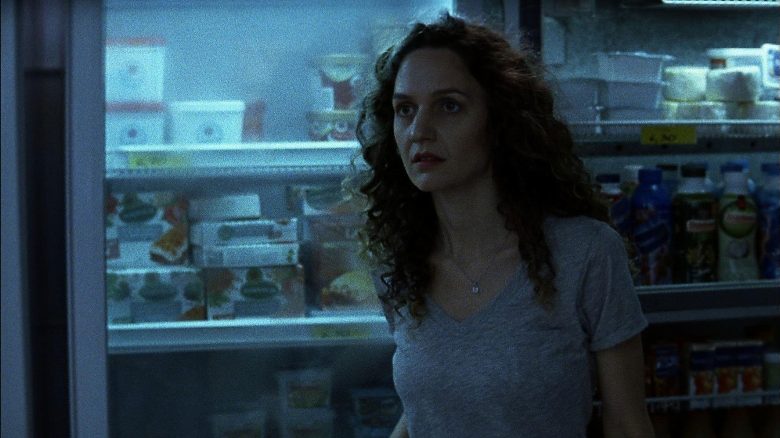
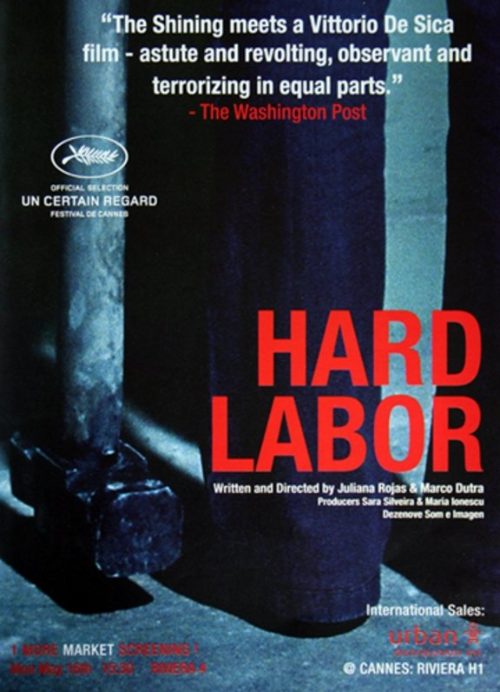
After her husband loses his job, Helena opens her own grocery store. Soon, increasingly strange events begin to plague her store, making her question her sanity.
Hard Labor stands as a chilling artifact of Brazilian psychological cinema, offering a haunting look at how economic instability can bleed into the supernatural. While audiences familiar with the vibrant, music-heavy traditions of Indian cinema might expect a different kind of tension, this 2011 feature operates with a slow-burn intensity that mirrors the best of international suspense. The film captures the suffocating pressure of middle-class anxiety, grounding its horror not in jump scares but in the visceral reality of a failing business. It serves as a stark reminder that the collapse of one’s livelihood can be a traumatic catalyst for a crumbling psyche, turning a mundane neighborhood market into a claustrophobic stage for inexplicable occurrences.
The narrative focuses on Helena, whose transition into entrepreneurship following her spouse's sudden unemployment sets the stage for a descent into paranoia. Director Juliana Rojas and her creative team masterfully manipulate the environment, transforming the aisles of a grocery store into a landscape of dread. For viewers who enjoy the layered character studies found in contemporary Malayalam dramas, this film offers a similar depth of focus, prioritizing the protagonist's internal erosion over external spectacle. The atmosphere is thick with a sense of inevitability, forcing the audience to grapple with the same questions as the lead: is the environment truly tainted, or is the weight of financial desperation simply shattering her perception of reality?
This film is essential viewing for anyone interested in global genre cinema that defies easy categorization. It eschews the frantic pace of mainstream thrillers in favor of a quiet, relentless dread that lingers long after the credits roll. By framing the domestic sphere as a site of psychological warfare, the story transcends its cultural origins to speak to the universal fear of losing control over one's life. It stands out within the South American film landscape as a bold experiment in tone, proving that the most terrifying ghosts are often the ones born from our own unmet responsibilities. Whether you are a fan of cerebral horror or simply appreciate a character-driven drama that dares to delve into the darker facets of the human condition, this piece of Brazilian storytelling provides a haunting and sophisticated experience that demands your full attention.
Cast(36)