About Hellhounds
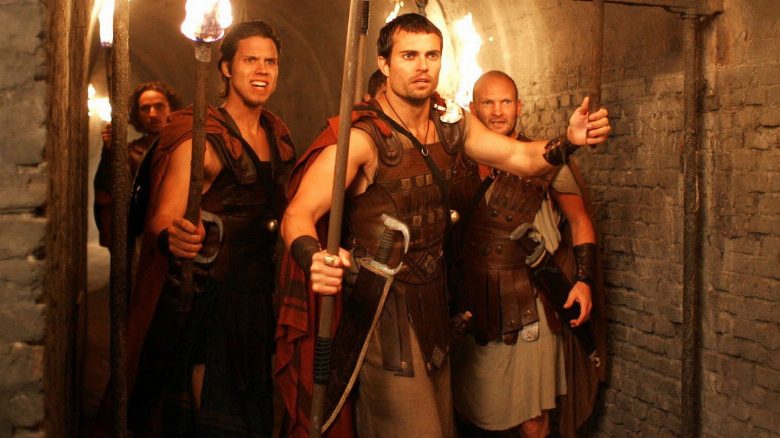
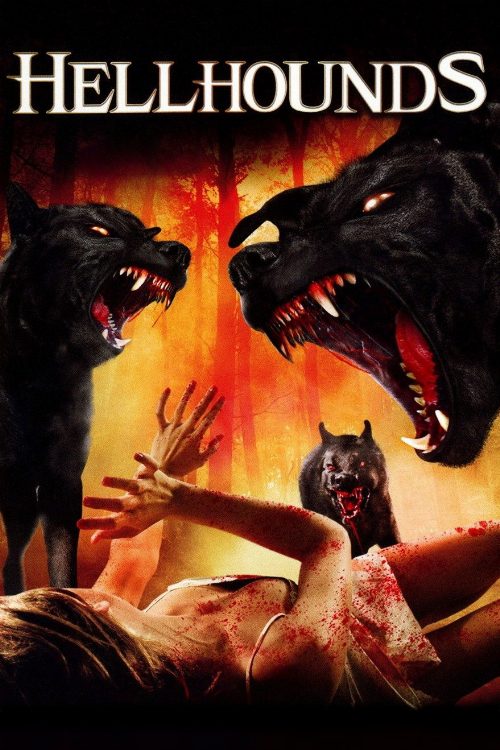
A Greek warrior must travel to the Underworld and battle killer hellhounds in order to rescue his murdered bride from the clutches of Hades.
Venturing into the realm of mythological retellings, Hellhounds stands as an intriguing relic from a period when television networks were aggressively expanding their portfolio of high-concept fantasy adventures. Directed by Rick Schroder, this production shifts the focus away from the typical grand epics of the era to embrace a gritty, subterranean aesthetic that favors visceral confrontation over polished spectacle. By centering its narrative on the desperate quest of a warrior navigating the boundaries between life and death, the film taps into the timeless allure of the Orpheus myth while injecting it with the heightened intensity of a creature feature. It serves as a fascinating example of how smaller-budget genre projects attempted to scale the heights of cinematic spectacle during the late two-thousands.
For audiences who find themselves captivated by the current wave of gritty re-imaginings seen across global cinema, including the bold mythological pivots within the Telugu and Tamil industries, this project offers a distinct flavor of dark fantasy. While modern Indian cinema often elevates these ancient tales with massive visual effects and sweeping orchestral scores, Hellhounds opts for a more intimate, claustrophobic approach. It trades the sprawling kingdoms of mainstream epic filmmaking for the oppressive, shadow-drenched corridors of the afterlife. Those who enjoy the intersection of historical action and supernatural horror will find the film a notable curiosity, particularly in how it handles the physical transformation of its titular beasts and the relentless pacing of its protagonist as he descends into the unknown to reclaim what was stolen.
The film relies heavily on the screen presence of its lead cast to anchor the fantastical elements, grounding the ethereal nature of the Underworld in human desperation. Andrew Howard delivers a performance that emphasizes the raw, kinetic energy required to survive such a journey, moving away from the stoic hero archetype toward something more fractured and driven by grief. Rick Schroder brings a clear focus to the pacing, ensuring that the transition from a standard period adventure into a survival horror struggle feels earned rather than sudden. It is a quintessential recommendation for viewers who appreciate self-contained genre exercises that do not overstay their welcome, functioning best as a moody, atmospheric piece that prioritizes the visceral thrill of its central conflict above all else. Whether viewed as a nostalgia trip for fans of early television fantasy or a technical study in low-budget world-building, the work captures a specific moment in time where mythology was frequently reimagined through a harsh, uncompromising lens.
Cast(14)











Crew
Director
Casting
Production Design
Story
Cinematography
Editor
Teleplay
Similar Films