About Here After
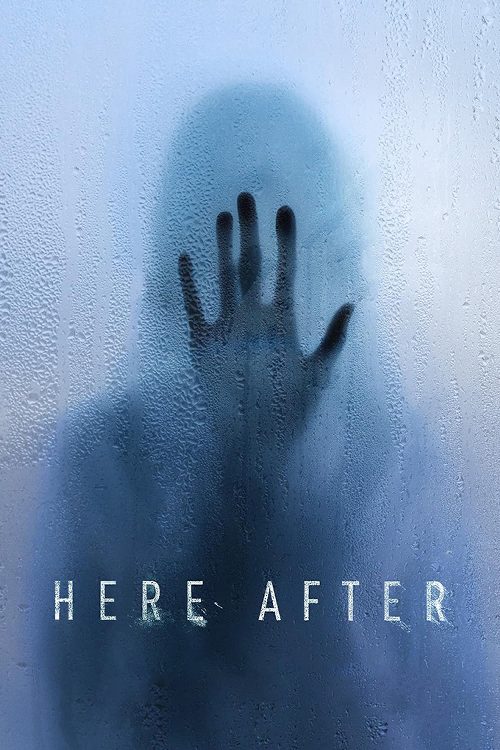
When her teen daughter displays increasingly disturbing behavior after a near death experience, a mother becomes convinced the girl brought something evil back from the other side.
The boundaries between clinical recovery and supernatural possession blur in Robert Salerno's latest venture, a chilling exploration of maternal anxiety that feels strikingly relevant in an era obsessed with the fragility of the human psyche. While Indian cinema often leans into the visceral tropes of folklore or mythological retribution to anchor its horror narratives, Here After approaches the genre through the lens of Western domestic tension, stripping away the spectacle to focus on the psychological erosion of a family unit. By centering the story on a mother confronting the aftermath of her childs traumatic medical crisis, the film taps into a universal dread that transcends borders, echoing the slow-burn intensity found in recent celebrated thrillers that favor atmosphere over cheap jump scares.
Connie Britton delivers a grounded, high-stakes performance that serves as the emotional anchor for this unsettling journey. The narrative thrives on the ambiguity of the situation, forcing the audience to oscillate between sympathetic concern for a struggling teenager and the creeping suspicion that something fundamentally alien has taken root within the home. For fans of global cinema who appreciate the stylistic evolution of the horror genre, this film offers a refreshing shift away from typical supernatural clichés. It operates as a character study disguised as a dark thriller, making it an ideal watch for those who prefer stories where the true danger lies not in the shadows, but in the unpredictable behavioral shifts of someone once intimately known.
Robert Salerno demonstrates a keen eye for staging, utilizing the confinement of the domestic space to heighten the sense of claustrophobia that defines the viewing experience. As the plot unfolds, the film asks difficult questions about the limits of parental protection and the helplessness one feels when faced with an inexplicable change in a loved one. This is a deliberate, methodical piece of storytelling that rewards patient viewers who enjoy dissecting the motivations behind every uneasy glance and fractured conversation. By prioritizing the internal landscape of its protagonists, Here After positions itself as a compelling addition to the current landscape of international psychological thrillers, proving that the most terrifying stories are those that challenge our understanding of the people we think we know best.
Cast(12)