Himalay Ki Godmein(1965)
About Himalay Ki Godmein
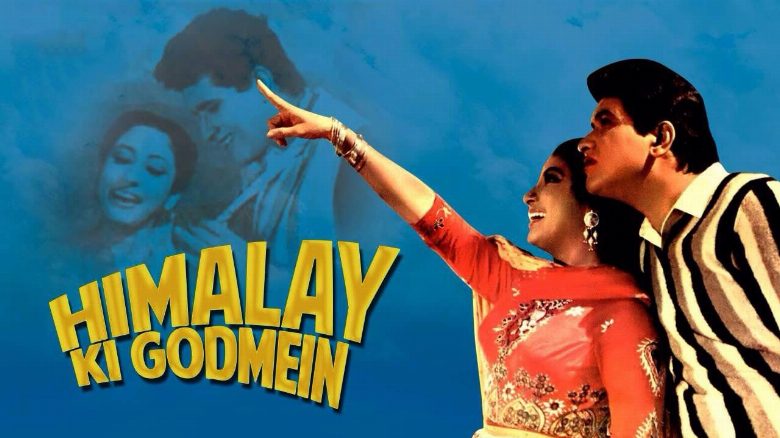
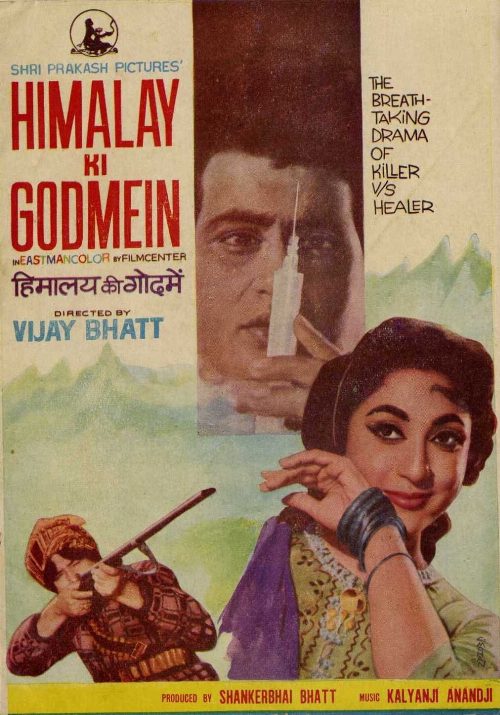
Sunil Mehra has successfully completed his medical studies and is now a qualified doctor, who can now practice medicine anywhere in India. He chooses to do so in a small and remote Himalayan village without any doctor or any medical facilities. His doctor fiancee, Neeta, decides to accompany him, but is appalled at the lack of facilities, and leaves. Dr. Mehra must now decide to continue his work there or re-locate.
The cinematic landscape of mid-sixties Hindi cinema often oscillated between urban romance and grand social idealism, yet few films captured the spirit of post-independence duty quite like Himalay Ki Godmein. At its heart, the film presents a classic conflict between personal ambition and the rugged demands of service, centering on a young physician who rejects the comforts of city life to establish a practice in a desolate mountain region. While many contemporary films of the era focused on the glitz of Bombay or the melodrama of domestic life, this production ventures into the serene yet challenging terrain of the Himalayas. It is a quintessential example of the moralistic storytelling that defined the career of Manoj Kumar, an actor who frequently portrayed characters driven by ethical convictions and a deep sense of nationalistic purpose.
Beyond the backdrop of snow-capped peaks and traditional village struggles, the film explores the friction inherent in choosing a path of altruism. The narrative tension arises not just from the harsh environment, but from the emotional tug-of-war between the protagonist and his partner, who represents the rational, modern perspective that views such isolation as an insurmountable burden. For modern audiences, the film serves as a window into the values of a changing India, where the push toward modernization was often tempered by the urgent need for basic healthcare in underserved rural pockets. It is a slow-burn character study that tests the limits of commitment, making it a compelling watch for those who appreciate classic Bollywood narratives that emphasize personal sacrifice over spectacle.
The film stands out for its earnest tone and its refusal to rely on the high-octane action sequences that would later dominate the Hindi film industry. Instead, it invites the viewer to reflect on the choice to abandon a life of ease in favor of a life of substance. Fans of black and white era classics will find the chemistry between the cast members to be a refreshing departure from the more stylized performances of later decades. By highlighting the logistical and social barriers faced by a medical professional in a remote setting, the director crafts a story that remains surprisingly relevant in its exploration of professional ethics and the geography of inequality. Whether you are a fan of Manoj Kumar's filmography or simply enjoy vintage dramas that favor human connection over artifice, this mountain-bound odyssey offers a poignant reflection on what it means to truly serve a community.
Cast(6)