
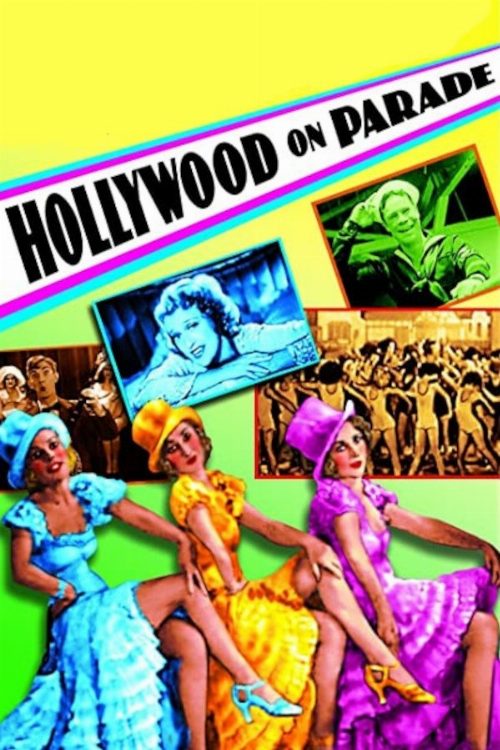
About Hollywood on Parade No. A-12
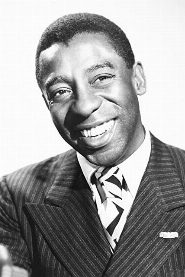
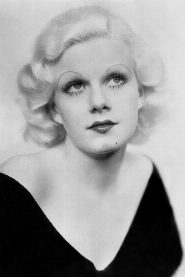
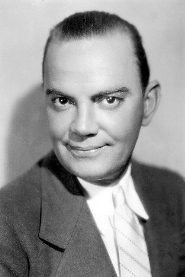
A short review hosted by Cliff Edward. Clarence Muse sings a song about the Congo, we see various Hollywood stars at a horse race in Mexico, and then a Mexican band plays a tribute to Lupe Vélez.
Stepping back into the early thirties offers a fascinating glimpse into a transitional era of motion pictures where the lines between promotional content and actual narrative cinema were remarkably porous. Hollywood on Parade No. A-12 serves as a quintessential artifact of the studio system during the Great Depression, functioning as a curated peek behind the velvet curtain for audiences hungry for glamour during bleak economic times. While contemporary Indian cinema often utilizes massive musical numbers and star-studded cameos to build anticipation for upcoming blockbusters, this vintage short film captures that same spirit of celebrity worship through a tightly packed, variety-show format. Directed by Louis Lewyn, the piece relies heavily on the charisma of host Cliff Edwards to guide viewers through a series of vignettes that feel less like a traditional movie and more like an early precursor to the modern red carpet special or the behind-the-scenes featurette.
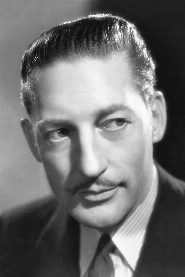
The structure of the film is unapologetically fragmented, jumping from musical performances to candid snapshots of industry icons enjoying a day at the races. By situating its subjects in exotic locations like Mexico, the production taps into the era’s fascination with international travel, a trope that continues to resonate in today's globalized film industries, including the high-budget travelogue aesthetics often seen in modern Hindi or Telugu cinema. It is a work for the dedicated cinephile who finds value in the history of the medium, specifically those interested in how the star system was manufactured and sold to the public before the advent of television. Watching actors like Warren William and the Bennett sisters in such a casual, unscripted context provides a rare look at the personas that defined the Golden Age.
For those who follow the evolution of the short film format, this entry stands out as a relic of a time when the industry was still experimenting with how to leverage celebrity status to maintain public interest. It lacks the complex plotting or thematic depth of a feature-length drama, yet it succeeds as a cultural time capsule. Viewers who appreciate the history of Hollywood’s marketing machine will find the presentation of these stars both charming and revealing. It is a reminder that the hunger for star power and the desire to see our favorite idols in their off-duty moments is not a new phenomenon, but a foundational element of how cinema has been marketed for nearly a century.
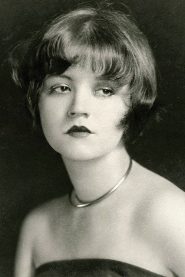
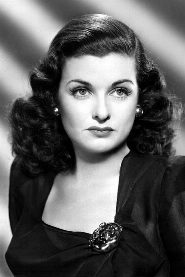
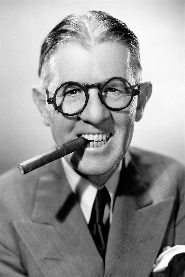
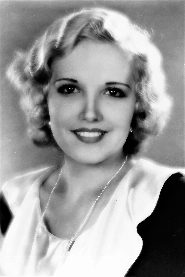
Cast(16)