
About How to Frame a Figg
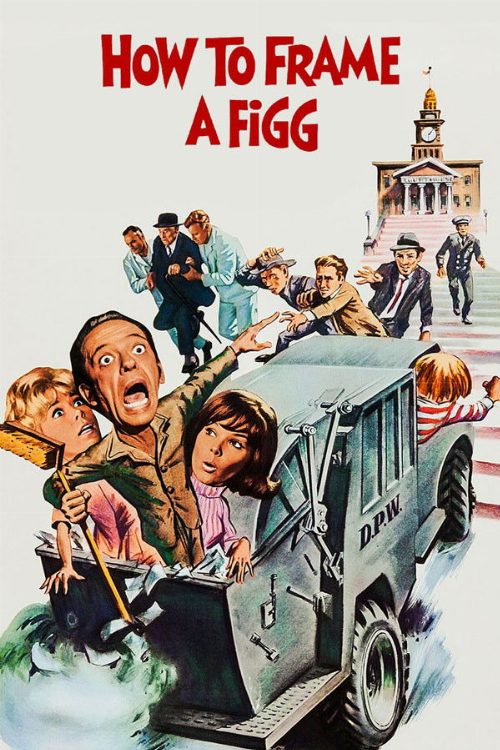
Don Knotts is Hollis Figg, the dumbest bookkeeper in town. When the city fathers buy a second-hand computer to cover up their financial shenanigans, they promote Figg to look after things, knowing he'll never catch on. Their plan backfires when Figg becomes self-important and accidentally discovers their plot.
The mid-century American landscape often found its greatest comedic tension in the collision between small-town innocence and the creeping influence of the burgeoning computer age. How to Frame a Figg captures this cultural shift with a distinctively gentle, slapstick-heavy approach that feels miles away from the intense, gritty realism we often dissect in the modern landscapes of Tollywood or Bollywood. Don Knotts anchors this story as a quintessential underdog, a man whose professional incompetence is matched only by his earnest desire to belong. By placing an oblivious clerk at the center of a municipal conspiracy, the film taps into a universal anxiety about authority figures hiding behind technological jargon, a theme that remains surprisingly resonant even as our own digital reality has become exponentially more complex.
For enthusiasts of global cinema who appreciate the evolution of character-driven comedy, this film serves as a fascinating time capsule of the studio era. While the narrative mechanics mirror the classic tropes of a bureaucratic heist-gone-wrong, the true appeal lies in the physical performance of its lead. Much like the archetypal bumbling protagonists found in regional Indian comedies who stumble into grand conspiracies, Hollis Figg is a character defined by his total lack of malice. Viewers who enjoy films that favor charm and lighthearted tension over cynical wit will find this to be a comfortable watch. It avoids the heavy-handed cynicism that defines many modern political thrillers, instead opting for a whimsical exploration of what happens when a person who is constantly underestimated suddenly finds themselves holding the keys to the kingdom.
It is particularly interesting to view this project through the lens of current trends in international cinema, where the underdog narrative remains a cornerstone of audience engagement. Whether it is a quiet clerk in a Malayalam drama or a beleaguered worker in a Hindi social satire, the struggle of the common man against institutional corruption is a timeless hook. This film manages to navigate those same waters with a vintage charm that highlights the transition from the analog office environment to the automated future. It is a perfect recommendation for fans who appreciate the legacy of physical comedy pioneers and those who enjoy watching a seemingly insignificant person inadvertently dismantle a house of cards. By focusing on the absurdity of the situation rather than the cruelty of the antagonists, the production maintains a family-friendly appeal that keeps the stakes feeling personal and manageable.
Cast(35)