About iMordecai
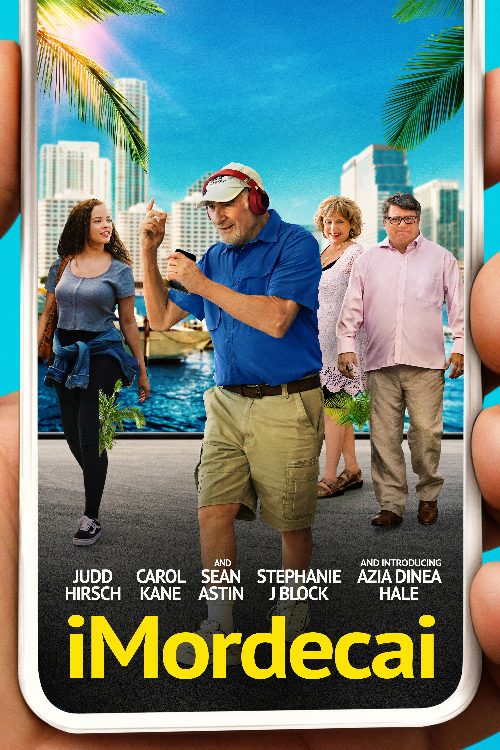
Mordecai Samel is a Holocaust survivor. He grew up in a different time and does not fully understand youth and modern life. His son gives him an iPhone, and the gadget becomes a guide for Mordecai to a new reality and a tool to get closer to the world. A comedy about how technology can help you fall in love with life anew and rethink it.
Technological shifts often create invisible walls between generations, yet iMordecai finds a delicate, humorous bridge across that divide through the lens of a classic immigrant narrative. Directed by Marvin Samel, this film departs from typical heavy-handed dramas about trauma to focus instead on the everyday friction of aging in a digital era. By casting veteran performers Judd Hirsch and Carol Kane, the project grounds its premise in a profound sense of lived experience, moving beyond the mere gimmick of an older man grappling with a smartphone. Instead, the narrative serves as a poignant exploration of how tools meant to isolate us can occasionally function as a catalyst for human connection and a late-life rediscovery of vitality.
For audiences accustomed to the high-octane emotional beats of contemporary Indian cinema, where multi-generational family dynamics frequently form the backbone of storytelling, iMordecai offers a refreshing, intimate scale. While Telugu and Hindi films often explore the friction between traditional values and globalized modern lifestyles through grand spectacles, this English-language dramedy keeps its scope tight and personal. It aligns with a growing global trend in independent filmmaking that prioritizes character studies over plot-heavy twists. Viewers who gravitate toward films that balance lighthearted comedy with the weight of historical memory will find the rapport between Hirsch and Sean Astin particularly compelling, as it captures the specific frustration and tenderness inherent in the parent-child relationship.
The film effectively positions itself as a tribute to the resilient spirit of those who have endured historical hardships, suggesting that the capacity for wonder is not exclusive to the young. By framing the iPhone as a curious protagonist of sorts, the director steers clear of cynical commentary on the tech industry, opting instead for a story about adaptability and the enduring power of curiosity. It is a tailor-made experience for viewers who appreciate character-driven narratives that celebrate the small, transformative moments of everyday existence. As the story unfolds, it invites the audience to consider their own relationship with the devices that define our current reality, ultimately asking if we are using our connections to truly see one another or merely to fill the silence. This is a thoughtful, warm-hearted outing that reminds us that it is never too late to learn a new language, whether it is digital or emotional.