
About Iron Lung
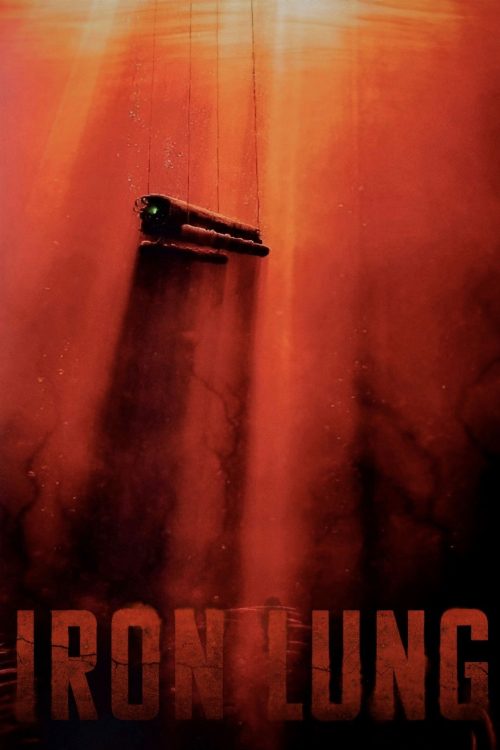
An ocean of blood. The only hope left after The Quiet Rapture. In the rusting halls of crumbling space stations, the last remnants of humanity craft a submarine to explore the bleeding depths... and weld one soul inside to pilot it. But hope in this void is as illusionary as the starlight. This is not an expedition. It's an execution.
Deep beneath an expanse of crimson fluid, a lone pilot finds himself encased in a claustrophobic metal coffin designed for a one-way trip into oblivion. Iron Lung, the upcoming science fiction horror feature helmed by Mark Fischbach, pivots away from traditional genre tropes to focus on the suffocating psychological weight of isolation. By centering the narrative on a vessel that is essentially a tomb waiting to be sealed, the film taps into a primal fear of being trapped in an environment where survival is not the goal. While international audiences are increasingly drawn to high-concept indie horror, this project stands out by stripping away the spectacle of space travel to expose the gritty, mechanical decay of a dying universe. It represents a bold shift for Fischbach, moving from his massive digital presence into the realm of scripted cinematic storytelling, bringing a distinct vision of dread that feels both intimate and expansive.
The film operates within a bleak aesthetic that mirrors the current trend of lo-fi science fiction, prioritizing atmosphere and tension over expensive visual effects. For fans of psychological thrillers who appreciate a slow-burning build toward inevitable disaster, this story offers a refreshing departure from typical jump-scare cinema. The casting of seasoned performers like Troy Baker and Caroline Kaplan suggests a commitment to grounded acting even within such a surreal, nightmare-fueled premise. This is a production that demands patience from its audience, rewarding those who enjoy digging into the lore of a post-apocalyptic world where light has been extinguished and hope is merely a cruel memory.
As the story delves into the history of the Quiet Rapture, it constructs a lore-heavy backdrop that provides just enough mystery to keep viewers guessing without overwhelming the core character drama. There is a palpable sense of nihilism embedded in the script, positioning the film as a dark reflection on human desperation when faced with extinction. For those who track the evolution of horror cinema, this release serves as an intriguing experiment in how digital-native creators can translate internet-born narratives into professional, large-scale film experiences. It is poised to attract both the existing fanbase of the source material and newcomers who seek a bleak, thought-provoking encounter with the unknown. By focusing on the singular, desperate act of navigation through an ocean of blood, the film promises a visceral experience that lingers long after the screen fades to black.