About It Couldn't Happen Here
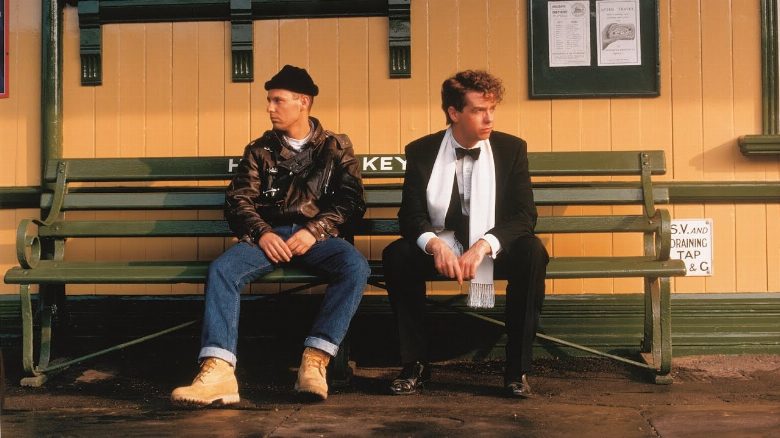
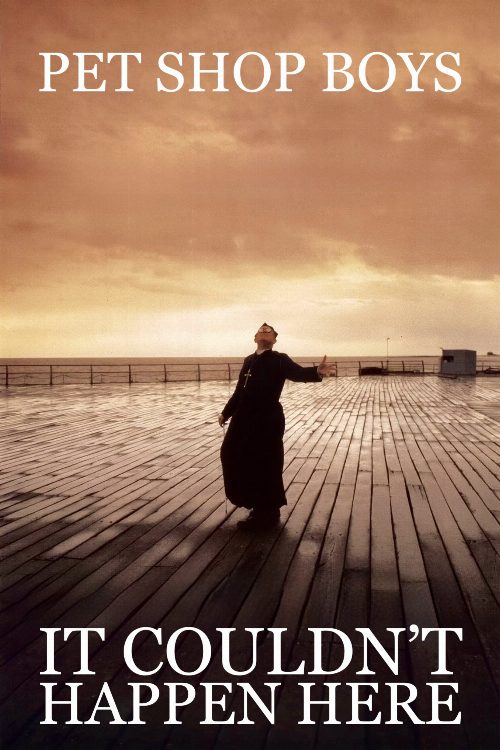
Pet Shop Boys Chris Lowe and Neil Tennant embark upon a journey across England - but which England? Is it the half-remembered England of their childhoods, or the brutal reality of Mrs Thatcher's late-eighties England? Along the way they come across many familiar (and sinister) faces. The movie also features some of the Pet Shop Boys' most popular records.
The cinematic landscape of the late eighties often prioritized high-octane action or gritty realism, yet It Couldnt Happen Here occupies a surreal, dreamlike pocket of British culture that feels entirely singular. Directed by Jack Bond, this film functions less as a traditional narrative and more as a kaleidoscopic visual diary for the synth-pop duo Pet Shop Boys. By threading their most iconic chart-toppers through a series of fragmented, often eccentric vignettes, the production creates a stylistic bridge between the music video format and avant-garde drama. For fans of global cinema who appreciate the experimental spirit of the era, the film serves as a time capsule, capturing the specific anxieties and aesthetic sensibilities of a United Kingdom caught in the grip of rapid socio-political change.
While many contemporary Indian films utilize music as an essential emotional anchor to drive the plot forward, this project adopts a more abstract approach where the songs dictate the rhythm of the journey. Neil Tennant and Chris Lowe navigate a landscape that feels perpetually caught between nostalgic charm and a cold, looming modernity. This duality mirrors the broader trends of the time, where the glitz of pop stardom collided with the stark, often harsh realities of Thatcherism. Viewers who enjoy films that prioritize mood and subtext over linear storytelling will likely find the experience rewarding, as it invites the audience to interpret its recurring motifs of identity and alienation rather than following a standard hero arc.
The presence of character actors like Gareth Hunt adds a layer of theatrical gravity to the production, grounding the duo in a world that occasionally borders on the absurd. This film remains a significant artifact for those interested in the history of music-driven cinema, standing alongside the more narrative-heavy musical experiments seen in international industries. It is a quintessential experience for anyone intrigued by how artistic vision can reshape the constraints of a film budget into something visually striking and conceptually bold. Ultimately, the film avoids the trap of being a mere concert documentary, choosing instead to lean into its own strange, enigmatic atmosphere, which continues to intrigue audiences decades after its initial release.
Cast(42)