
It Was A Night Just Like This(1971)
About It Was A Night Just Like This
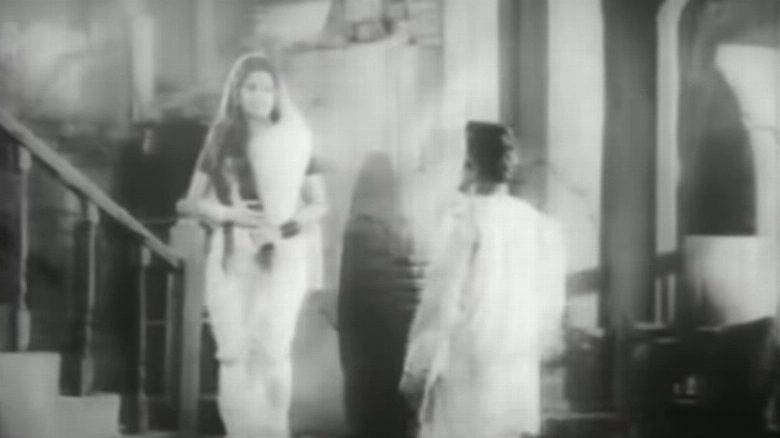
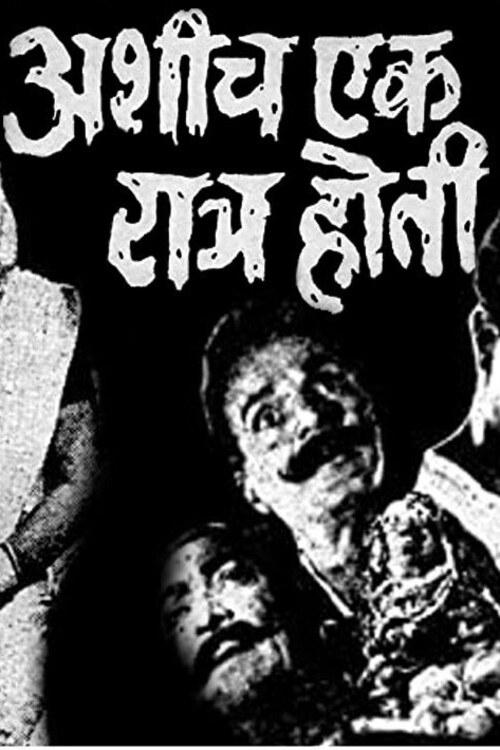
Shripa a wrestler gets attracted towards a mysterious women Shevanti living in abandoned mansion.The villagers suspect Shevanti is a ghost and that Shirpa has lost his mind.
The landscape of Marathi cinema in the early seventies was frequently defined by a unique blend of rural folklore and chilling suspense, a trend perfectly captured by It Was A Night Just Like This. While many regional industries during this era were experimenting with urban dramas, this production leaned heavily into atmospheric dread, choosing to explore the psychological isolation of a wrestler who finds his grounded reality crumbling. The narrative hinges on the tension between societal superstition and personal obsession, placing the protagonist in a precarious position as he becomes increasingly captivated by a woman residing in a desolate, crumbling estate. By rooting the horror in the dusty, sun-drenched settings of a typical village rather than a gothic European castle, the film offers a distinct cultural flavor that differentiates it from the mainstream horror tropes of the time.
At the heart of the film is the performance of the lead cast, who manage to navigate the transition from a standard character drama to a haunting thriller with remarkable ease. Jayshree Gadkar, a powerhouse of the Marathi industry known for her versatility, brings a haunting ambiguity to the role of the mysterious inhabitant of the mansion. Her presence forces the audience to question whether the terror is supernatural or merely a projection of the protagonist’s deteriorating mental state. This ambiguity is a hallmark of the era, where filmmakers often used the ghost story genre as a lens to examine social stigma and the fragility of human perception. For viewers who appreciate vintage cinema that prioritizes mood and character dynamics over cheap jump scares, this film serves as an intriguing time capsule of regional suspense storytelling.
The film remains a noteworthy entry for those interested in the evolution of Indian genre cinema, particularly how rural legends were adapted to suit the sensibilities of seventies audiences. It functions as a slow-burn experience, prioritizing the buildup of dread over rapid pacing. Those who enjoy classics that rely on shadow, sound design, and intense performances rather than elaborate special effects will find this to be a compelling watch. By positioning the wrestler as a man who is physically formidable yet emotionally vulnerable, the script challenges traditional archetypes, making his descent into the unknown all the more poignant. It stands as a testament to the creativity of Marathi filmmakers who could craft genuine chills within the limitations of the period, ensuring its legacy persists among enthusiasts of classic Indian thrillers.



