

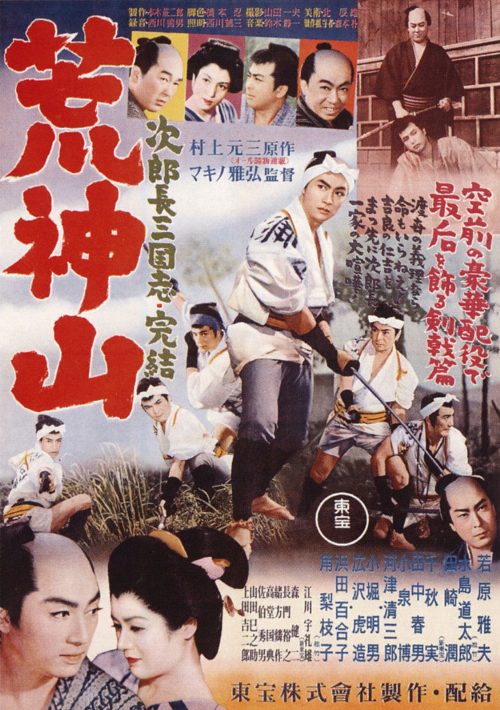
Jirocho in Disgrace(1954)
About Jirocho in Disgrace
Stepping away from the idealized portraits of legendary gamblers often found in mid-century Japanese cinema, Jirocho in Disgrace offers a refreshing, grounded take on the folklore surrounding the Shimizu clan. While many period dramas from the era leaned heavily into heroic myth-making, this film opts for a more skeptical lens, examining the vulnerabilities and societal pressures that define its central figures. It functions as a fascinating character study that prioritizes human frailty over the larger-than-life bravado typical of the genre, making it an essential watch for cinephiles interested in the evolution of the jidaigeki style during the fifties. The narrative feels remarkably modern in its restraint, choosing to focus on the psychological weight of reputation rather than relying solely on grand action sequences.
For those familiar with the output of the Japanese studio system during this transformative decade, the film serves as a compelling bridge between traditional storytelling and the more cynical, realistic movements that would eventually dominate the industry. The performance of Kichijiro Ueda is particularly noteworthy, as he anchors the film with a nuanced portrayal that avoids the pitfalls of caricature. This approach provides a sharp contrast to the more polished, epic portrayals of historical outlaws seen in contemporary Indian cinema, where larger-than-life protagonists are often built for mass appeal. Instead, this piece invites the audience to observe the mechanics of failure and the quiet disintegration of authority, themes that resonate just as strongly in global human drama as they do in the specific context of post-war Japanese film history.
Viewers who enjoy character-driven period pieces will find much to admire here, as the film succeeds by stripping away the glamour of the underworld to reveal the mundane, often difficult reality of those living on the fringes of society. It is a contemplative experience, best suited for those who appreciate the slow-burn pacing and formal precision characteristic of the era. By focusing on the internal tensions of the group rather than external conflicts, the director crafts a narrative that feels intimate and claustrophobic in the best way possible. This film occupies a unique space in the history of samurai and yakuza cinema, offering a rare, critical look at the icons that the public so frequently celebrates. It is a testament to the versatility of the genre that, even decades later, such a focused and understated work continues to provoke thought regarding the nature of honor and disgrace.