About Jis Desh Mein Ganga Behti Hai
Raju informs the police about a group of bandits, even though he is in love with the chief's daughter. The police set out to kill the clan and it is upto him to save the bandits and his love.
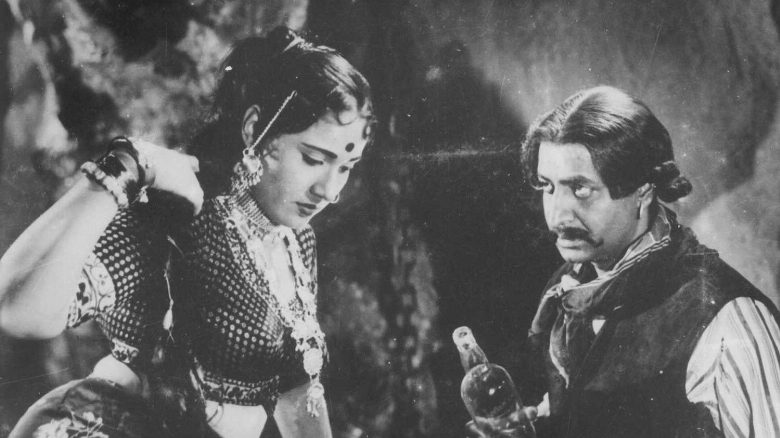
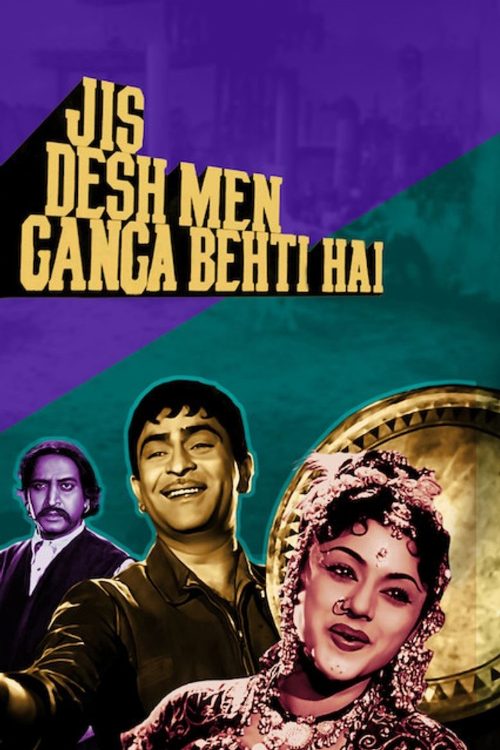
Few films capture the idealistic spirit of post-independence India quite like the 1960 classic Jis Desh Mein Ganga Behti Hai. Directed by Radhu Karmakar and produced by the legendary showman Raj Kapoor, this musical drama serves as a cinematic bridge between the gritty reality of rural poverty and the romanticized hope of a burgeoning nation. At its core, the story follows a wandering minstrel named Raju who finds himself entangled with a group of dacoits living deep in the heart of the countryside. While the premise touches upon the tension between law and outlawry, the film is primarily a vehicle for Kapoor’s signature brand of humanitarian empathy, positioning the protagonist as a naive but morally steadfast bridge between two conflicting worlds.
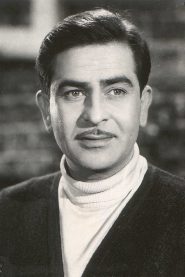
The film stands out in the Hindi filmography of the sixties for its ambitious blend of social commentary and grand entertainment. It masterfully balances the darker themes of banditry with the lighthearted, melodic charm that defined the R.K. Films banner. Raj Kapoor portrays the quintessential tramp-like figure who believes in the inherent goodness of humanity, a characterization that resonated deeply with audiences navigating the complex social landscape of the era. The presence of Padmini as the fierce yet vulnerable daughter of the gang leader adds a layer of emotional stakes that drives the narrative forward without losing its whimsical, song-heavy appeal. Through its lush cinematography and iconic musical score, the movie effectively paints the river Ganges as a metaphorical force of purification, washing away the sins of those who are willing to embrace a life of peace.
For contemporary viewers, this feature remains a vital watch for anyone interested in the evolution of the Indian protagonist who chooses compassion over confrontation. It is an essential piece of history for students of classic Bollywood, showcasing how filmmakers of the time utilized the medium to promote national unity and moral reform. Those who appreciate the golden age of Hindi cinema will find much to admire in the chemistry between the leads and the film’s unwavering commitment to its optimistic philosophy. By placing the burden of salvation on a simple, singing traveler rather than an armed hero, the film offers a unique perspective on justice that feels remarkably distinct even by modern standards. It remains a testament to a time when cinema was tasked with reflecting the soul of a country, proving that even amidst chaos, the melody of humanity can prevail.
Cast(12)