Kaaka Muttai(2015)
About Kaaka Muttai
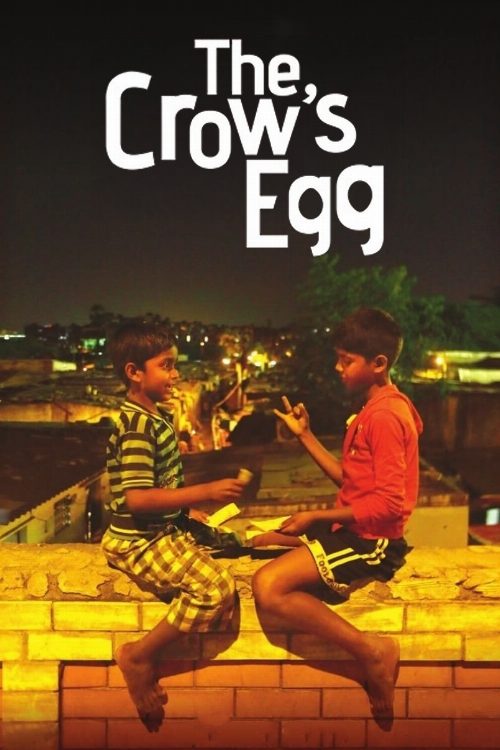
Two slum kids yearn to taste a pizza after being enticed by the pizza shop that has opened near their locality. What happens when they manage to find the money to buy one?
Modern Tamil cinema has long been celebrated for its ability to weave profound social commentary into simple, human-centric narratives, and Kaaka Muttai remains a definitive landmark of this movement. Directed by M. Manikandan, this film captures the raw innocence of childhood against the stark backdrop of urban poverty in Chennai. Rather than relying on melodrama or heavy-handed moralizing, the story follows two young brothers navigating a world that often ignores their existence. Their obsession with a newly opened pizza parlor serves as a brilliant metaphor for the encroaching influence of globalization and the widening gap between aspirational consumer culture and the daily realities of the marginalized. By centering the plot on a seemingly trivial desire, the film invites viewers to reflect on the nature of privilege and the lengths to which people will go to achieve a fleeting moment of happiness.
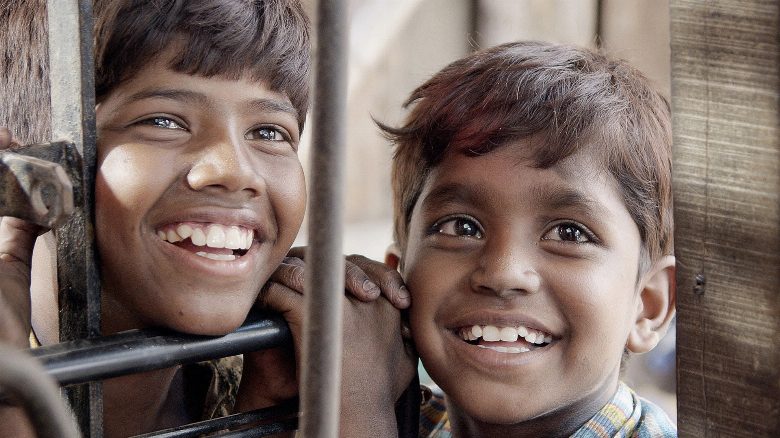
The performances by the two child leads are nothing short of revelatory, grounding the film in a sense of lived-in authenticity that is rare in commercial features. Their chemistry feels entirely unscripted, capturing the infectious energy of youth while subtly highlighting the weight of the responsibilities they carry despite their age. The production design and cinematography work in tandem to contrast the vibrant, chaotic streets of their neighborhood with the sterile, air-conditioned luxury of the fast-food outlet, effectively externalizing the internal divide the boys experience. This visual storytelling style has become a hallmark of what many critics call the New Wave of Tamil filmmaking, where directors prioritize atmospheric realism over traditional star-driven spectacles.
For those who appreciate international dramas that balance heart-wrenching sincerity with sharp, observational wit, this film is an essential watch. It appeals to audiences who prefer character-driven stories that challenge societal norms without sacrificing emotional resonance. Whether you are a fan of world cinema or someone looking to explore the depth of South Indian storytelling, the film offers a perspective that is both specific to its regional setting and universally understandable. It asks difficult questions about class aspirations and the commercialization of innocence, leaving the audience to ponder the true cost of modern desires long after the credits roll. By focusing on the small, quiet moments that define a life, the director manages to craft a poignant experience that resonates with anyone who has ever dreamed of something just out of their reach.