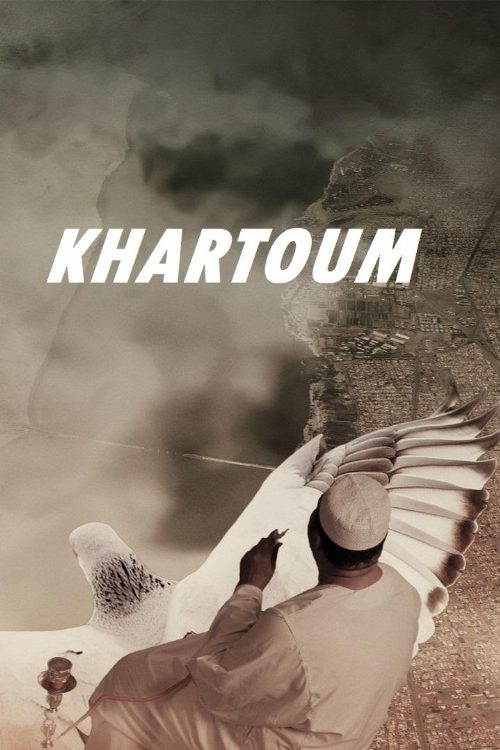
About Khartoum
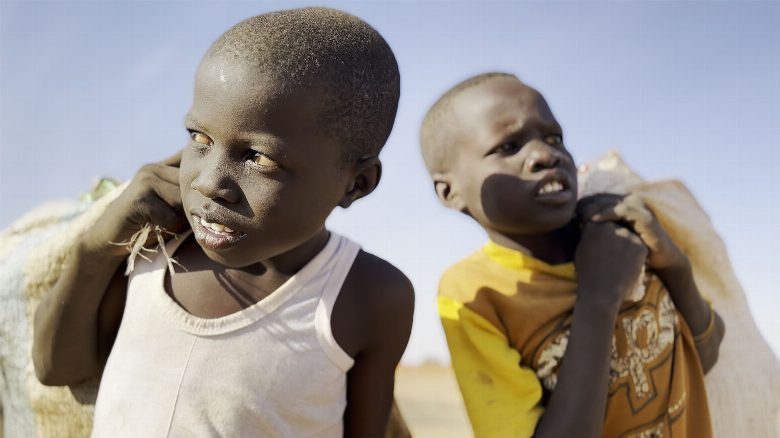
Forced to leave Sudan for East Africa following the outbreak of war, five citizens of Khartoum — a civil servant, a tea lady, a resistance committee volunteer, and two young bottle collectors — reenact their stories of survival and freedom through dreams, revolution, and civil war.
The haunting reality of displacement often defies traditional storytelling, yet the 2025 documentary Khartoum attempts to bridge this gap by blending lived experience with the ethereal nature of memory. Rather than relying on standard journalistic observation, the film centers on five individuals who fled their home city amidst the chaos of conflict, finding themselves navigating a new existence in East Africa. By inviting a civil servant, a tea seller, a grassroots activist, and two youth scavengers to participate in the recreation of their own pasts, the project moves beyond mere documentation. It captures the psychological weight of uprooting one’s life, utilizing personal dreams and revolutionary history as a lens to examine the broader human cost of war.
This approach feels particularly resonant for audiences familiar with the evolving landscape of global documentary filmmaking, where subjective truth is increasingly prioritized over objective distance. Much like the raw, intimate portrayals seen in recent acclaimed works from the Indian independent circuit that tackle migration and social upheaval, Khartoum manages to make the specific struggles of its subjects feel universal. It avoids the trap of becoming a sterile historical record, opting instead for a sensory exploration of what it means to carry a lost city inside one’s mind. For viewers who appreciate cinema that functions as a space for healing and political testimony, this documentary offers a profound look at the resilience required to reconstruct an identity after the familiar world collapses.
The strength of the film lies in its deliberate pacing and its refusal to simplify the complex socio-political fractures that forced these individuals into exile. It speaks to a growing trend in international cinema where directors are moving away from traditional narrative structures to embrace experimental, performance-based storytelling. This allows for a deeper exploration of the quiet moments of survival that often go unnoticed in mainstream reporting. Anyone seeking a thoughtful, visually evocative reflection on the nature of home and the persistence of the human spirit will find this work essential viewing. As the global community continues to grapple with the realities of displacement, this film stands out as a vital contribution to the conversation, reminding us that every statistic in a headline is a person with a story, a dream, and a history that cannot be erased by borders or conflict.