About Killing Words
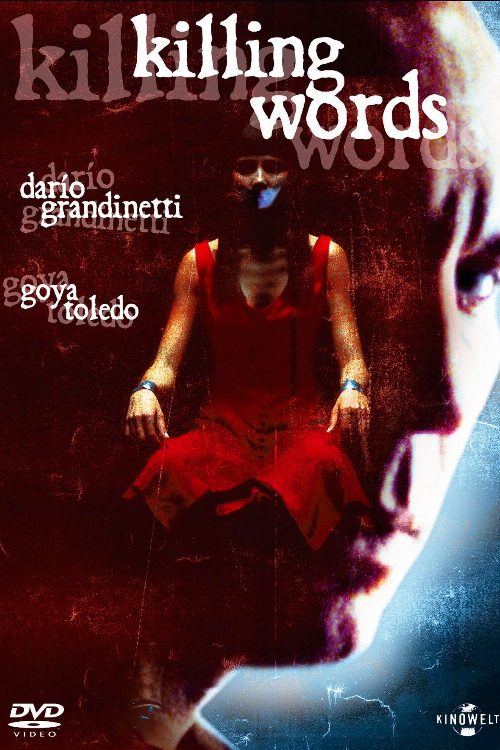
A mild-mannered psychopath plays mind-games with a woman he has tied to a chair in his basement.
The psychological landscape of Spanish cinema in the early two thousands frequently explored the darker corners of human isolation, and Killing Words stands as a testament to that era of intense, claustrophobic tension. Directed by Laura Mana, the film functions as a stark character study that strips away the sprawling action typical of the genre to focus entirely on the volatile dynamic between two individuals. While global audiences often associate Spanish thrillers with the high-concept mysteries of more recent years, this work represents a more grounded, visceral approach to the cat and mouse narrative. It operates as a chamber piece, utilizing a single, oppressive location to amplify the stakes of a dialogue-heavy battle of wits that feels as dangerous as any physical confrontation.
The premise centers on a precarious situation where a woman finds herself held captive by an enigmatic man, setting the stage for a calculated exchange of psychological warfare. What distinguishes this film from standard abduction dramas is its insistence on the weight of language as a weapon. The narrative suggests that in the absence of traditional freedom, information and personal history become the only currencies that matter. Fans of minimalist thrillers who appreciate films that prioritize performance and script density over elaborate set pieces will find much to dissect here. It is an exercise in restraint, forcing the viewer to navigate a maze of shifting power dynamics where the captor and the captive frequently trade places in terms of who holds the moral or intellectual advantage.
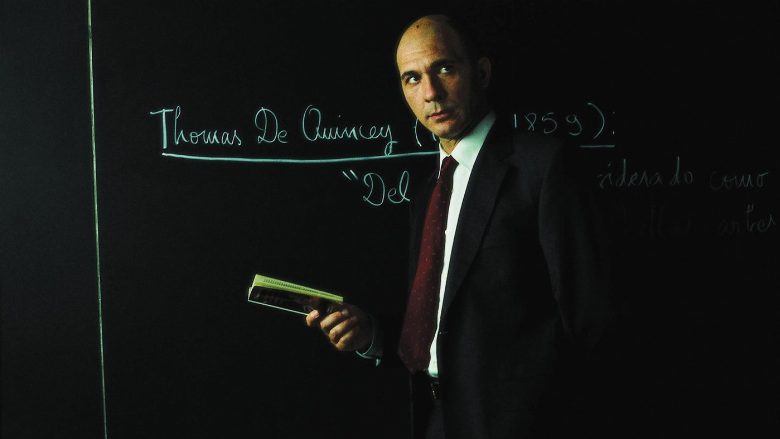
For those who follow the trajectory of European suspense cinema, the film offers a glimpse into a period when directors were pushing the boundaries of how much tension could be sustained in a confined space. Darío Grandinetti and Goya Toledo anchor the experience with performances that demand total attention, ensuring that the heavy atmosphere never dissipates. The film is perfectly suited for enthusiasts of cerebral thrillers who enjoy questioning the reliability of the characters on screen. By focusing on the fragility of human perception under extreme duress, the director crafts a narrative that feels less like a simple crime story and more like a harrowing exploration of how secrets define our existence. It remains a compelling watch for anyone interested in the evolution of the thriller format and the power of a well-executed, character-driven script that keeps its cards close to the chest until the very end.