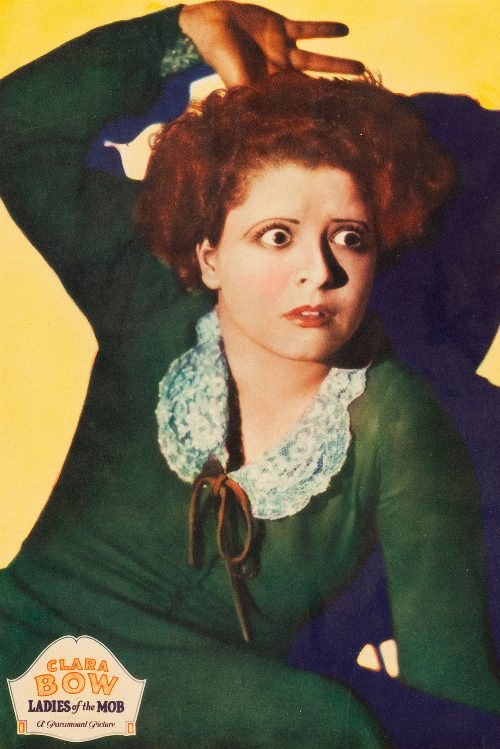
Ladies of the Mob(1928)
About Ladies of the Mob
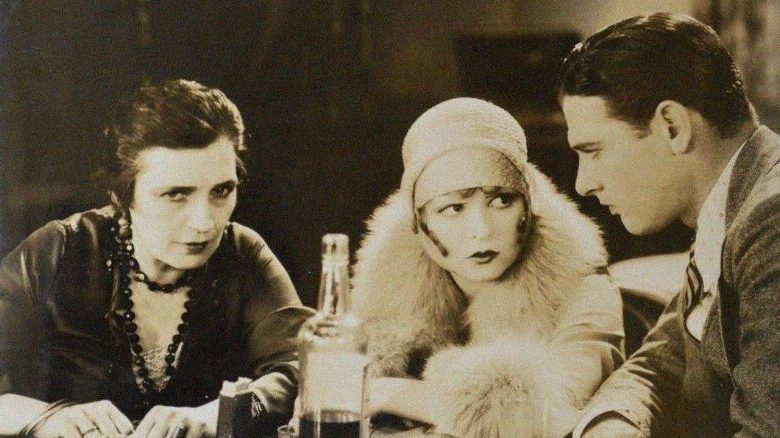
A dead criminal's daughter falls in love with a small-time crook and tries to get him to reform before he winds up like her father.
Silent era cinema often relied on archetype to bridge the gap between melodrama and gritty realism, and Ladies of the Mob stands as a fascinating relic of how Hollywood once framed the intersection of inherited sin and personal agency. While modern Indian audiences might find parallels in the gritty underworld sagas of contemporary Mumbai or the high-stakes emotional stakes seen in period dramas from the Telugu or Tamil industries, this 1928 production operates with a distinctively American Jazz Age sensibility. The narrative centers on a woman tethered to the reputation of a deceased outlaw, creating a psychological tension that transcends its historical era. By focusing on the desire to break a cycle of criminality, the film taps into a universal anxiety regarding how much of our past dictates our future, a theme that resonates just as strongly in the moral conflicts of today’s international crime thrillers.
Clara Bow, an icon of the Roaring Twenties, anchors the project with a performance that shifts away from her typical flapper persona to embrace a more somber, protective intensity. Her presence is the primary draw, offering a window into the transition of acting styles as the industry moved toward more nuanced character studies. For viewers who appreciate the evolution of the gangster genre, this film serves as a foundational text that explores the domestic cost of a life spent outside the law. It is less about the mechanics of the heist and more about the desperate, often futile effort to steer a loved one away from a predetermined path of destruction. The film effectively balances the romantic allure of a dangerous partner with the stark reality of the consequences that come with such affiliations.
This feature is best suited for cinephiles interested in the roots of crime dramas and those who enjoy studying how early filmmakers utilized visual language to convey internal turmoil without the aid of dialogue. Because it predates the rigid codes that would later sanitize Hollywood portrayals of criminals, the film feels surprisingly raw in its depiction of social alienation. It serves as a reminder that the fascination with the criminal psyche is not a modern invention but a long-standing tradition that continues to influence storytelling across global industries, including the current crop of intense, character-driven narratives coming out of India. By stripping away the spectacle, the film highlights a core human truth: the struggle to maintain dignity when the world expects nothing but failure from those born into the shadows.