About Last Days
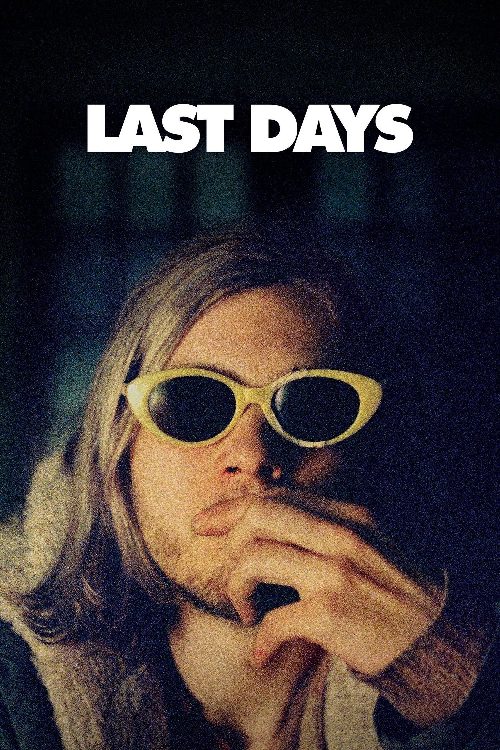
The life and struggles of a notorious rock musician seeping into a pit of loneliness whose everyday life involves friends and family seeking financial aid and favors, inspired by rock music legend Kurt Cobain and his final hours.
Gus Van Sant is a filmmaker who frequently explores the intersection of isolation and artistic genius, and in Last Days, he turns his lens toward the haunting final chapter of a rock icon. Rather than delivering a conventional cradle to grave biopic, the film functions as a meditative study on the mundane reality of fame when it begins to fray at the edges. By focusing on the quiet, unglamorous moments of a musician trapped in a suburban purgatory, the movie avoids the sensationalism often found in portrayals of legendary figures. It is a stark departure from the polished narratives seen in mainstream dramas, favoring long, observational takes that force the audience to sit with the protagonist in his silence and creeping detachment.
For fans of world cinema who appreciate the slow burning pace characteristic of contemporary Malayalam or independent art house films, this work offers a similarly immersive experience. The film captures the suffocating pressure of a life where every peripheral acquaintance has become a solicitor for money or attention. By stripping away the spectacle of the stage, it reveals the profound loneliness that often hides behind the public facade of a global star. This approach aligns with a growing trend in global storytelling that prioritizes atmospheric tension and psychological nuance over plot driven action. It is a deliberate piece of art that demands patience, rewarding those who are willing to look past the surface of celebrity to examine the human cost of being an icon.
Michael Pitt delivers a performance that feels less like acting and more like a visceral inhabitancy of a ghost. His portrayal of the central figure captures that specific, fragile instability that occurs when the world expects too much from one person. Those who enjoy character studies that prioritize mood and subtext will find this film deeply absorbing. It does not seek to provide easy answers or provide a definitive account of the events that inspired it. Instead, it invites viewers to contemplate the nature of creative exhaustion and the inevitable erosion of the self. This is essential viewing for anyone interested in the experimental side of American independent cinema, particularly for those who admire the way directors can transform a simple premise into an expansive, haunting exploration of the human condition.
Cast(19)