
Laura(1979)
About Laura
A blinded French sculptor completes a statue of a friend's daughter by using his sense of touch.
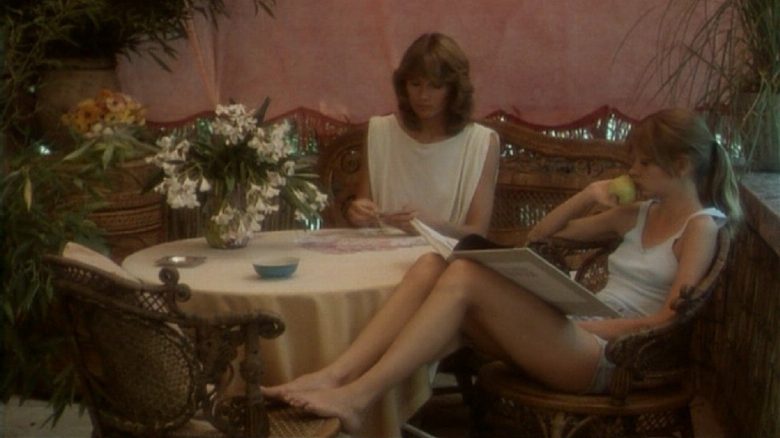
The sensory world of 1979 French cinema often leaned into intimate portrayals of human connection, and Laura stands as a curious, evocative entry that prioritizes tactile experience over visual spectacle. At the heart of this drama lies a unique premise involving a sculptor who has lost his sight, yet finds himself tasked with capturing the likeness of a young woman through the subtle contours of her face and form. Unlike the high-octane thrillers or sweeping historical epics that frequently dominate global box office conversations today, this film operates as an understated character study. It invites the audience to consider the intimacy inherent in the creative process, where the boundary between the artist and the subject begins to blur in the quiet solitude of a studio.
For viewers accustomed to the vibrant, high-energy storytelling found in contemporary Indian cinema, such as the grand emotional arcs of Telugu melodramas or the gritty realism of modern Malayalam thrillers, Laura offers a distinct stylistic departure. It belongs to a tradition of European art-house cinema that favors lingering shots and psychological interiority. While modern audiences might be more acquainted with digital-first narratives, the 1979 aesthetic provides a refreshing, analog perspective on romance and obsession. The film is perfectly suited for cinephiles who appreciate the slow-burn development of relationships and those interested in how the absence of one sense—in this case, vision—can heighten the intensity of all other human interactions.
The presence of Maud Adams adds a layer of classic appeal to the production, anchoring a narrative that could have easily drifted into melodrama. By focusing on the sculptor’s reliance on touch, the director elevates the material from a standard romance to an exploration of perception itself. It is a film that demands patience, rewarding the spectator with a haunting look at how we define beauty when we cannot see it. Whether one views it as a period piece or a meditation on the nature of artistic inspiration, Laura remains a fascinating look at the complexities of desire. It avoids the typical tropes of its era, choosing instead to dwell in the tactile spaces between its main characters, making it an essential watch for those who seek depth and nuance in their cinematic explorations of the human condition.
Cast(14)