About Lazy Girls
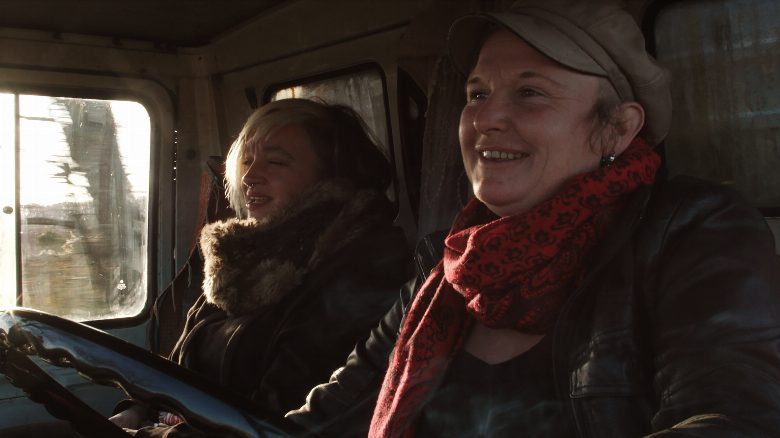
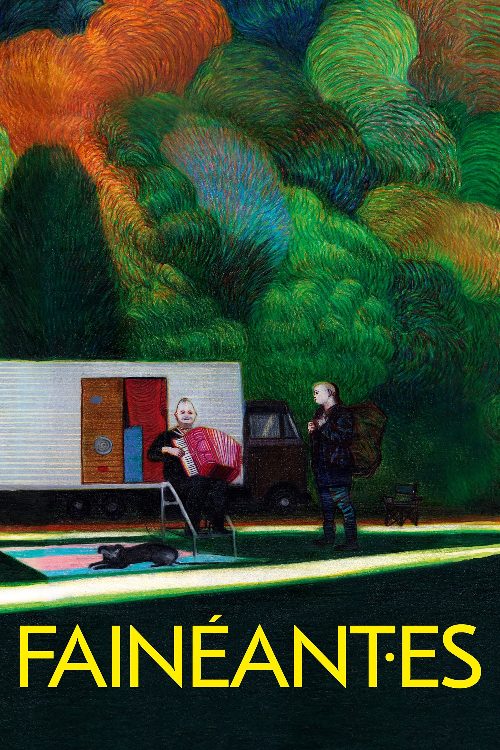
Nina and Djoul, two inseparable friends, are evicted from their squat. They take to the road in their old truck, thirsting for freedom and obsessed with one thing: partying. And so begins a road movie with its share of adventures, hardships, tender or tragic encounters... and joyful subversions.
The open road has long served as a cinematic canvas for testing the bonds of friendship, and Lazy Girls breathes fresh energy into the traditional vagabond narrative by centering on the raw, unvarnished experiences of two women navigating the fringes of society. Directed by Karim Dridi, the film captures a specific brand of modern displacement, following Nina and Djoul as they trade the stability of a squat for the unpredictable rhythm of life inside a weathered truck. While audiences accustomed to the polished aesthetics of mainstream French cinema might expect a sanitized journey, this project leans heavily into a gritty, spontaneous realism that feels both intimate and expansive. It is a character study that prioritizes the chemistry between Faddo Jullian and .jU, whose portrayal of deep-seated loyalty provides the emotional anchor for a story that could have easily drifted into aimless chaos.
For fans of Indian cinema who appreciate the growing trend of regional road dramas that explore self-discovery outside the confines of the nuclear family, this film offers a fascinating European parallel. Much like the recent wave of indie films emerging from the Malayalam or Tamil industries that prioritize atmosphere and internal character shifts over rigid plot progression, Lazy Girls thrives on the quiet, often messy moments found between major life events. It taps into a universal yearning for autonomy, reflecting a generational restlessness that transcends borders. The narrative avoids the trap of romanticizing poverty, choosing instead to showcase the ingenuity and defiant joy required to survive on the margins. This tonal tightrope walk makes it a compelling watch for viewers who prefer cinema that values authentic human connection over high-octane spectacle.
The film stands out for its refusal to provide easy answers about the future of its protagonists. By placing these women in a state of constant motion, Dridi forces the audience to confront the intersection of vulnerability and resilience. This is not a story about finding a destination, but rather an exploration of what happens when societal expectations are stripped away. Those who gravitate toward character-driven dramas that celebrate non-conformity will likely find much to admire in this restless, spirited trek. As the duo navigates a series of unpredictable encounters, the film remains a poignant reminder that freedom is often found in the most precarious of circumstances. It is a bold addition to the contemporary landscape of European drama, inviting us to look closer at the faces we usually ignore on the roadside.