
Le Bourgeois Gentilhomme(1986)
About Le Bourgeois Gentilhomme
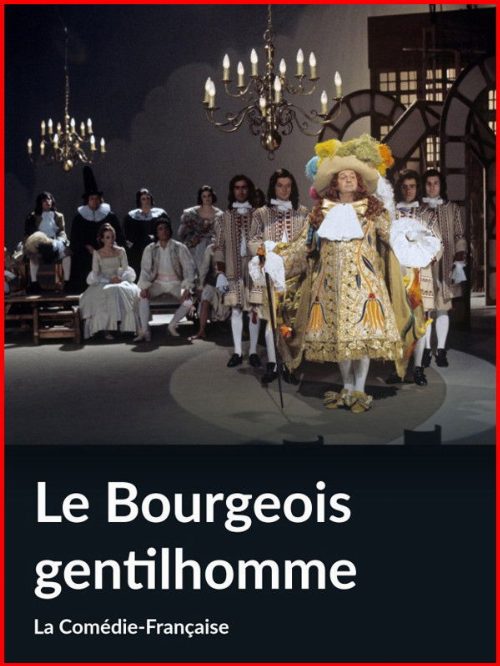
The 1986 production of Le Bourgeois Gentilhomme serves as a fascinating bridge between the rigid traditions of classical French theater and the more fluid, capture-focused nature of television filmmaking. By bringing Moliere to the screen through the lens of the Comedie-Francaise, the production maintains a reverence for the source material that feels strikingly deliberate in an era often defined by rapid editing and stylized reinvention. Jacques Sereys steps into the shoes of the iconic Monsieur Jourdain with a performance that balances the character’s inherent absurdity with a grounded, almost tragic sense of social climbing. For enthusiasts of global cinema who appreciate how regional theatrical traditions influence modern storytelling, this film acts as a vital document of how historical comedy translates across different media platforms.
This adaptation stands out for its commitment to the theatrical aesthetic, favoring long takes and elaborate staging over the kinetic camera work common in contemporary cinema. While current trends in Indian regional industries like the Telugu or Malayalam sectors often emphasize high-octane spectacle or gritty realism, there is an enduring appeal to this kind of dialogue-driven, character-focused period piece. It offers a masterclass in timing and physical performance that echoes the legendary stage comedies found in the history of Indian performing arts. Watching the interplay between the cast members provides a window into the evolution of ensemble acting, as they navigate the intricate hierarchies and biting social satire written centuries ago.
Viewers who enjoy sharp, literate scripts and a deep dive into historical social etiquette will find much to admire in this specific interpretation. It is designed for those who prefer their humor with a side of intellectual reflection rather than broad, slapstick sensibilities. The film’s relevance remains high for students of classic literature and theater practitioners who wish to observe the nuances of the Comedie-Francaise style without needing to be seated in a velvet-lined auditorium in Paris. By preserving the rhythmic cadence of the original French text, the production ensures that the comedic tension remains intact, making it a sophisticated choice for anyone looking to understand the bedrock of European satire. It represents a period where the barrier between the stage and the television screen became delightfully porous, allowing a wider audience to witness the prowess of seasoned actors who spent their careers perfecting the art of the Moliere farce.