About Lee Cronin's The Mummy
The young daughter of a journalist disappears into the desert without a trace—eight years later, the broken family is shocked when she is returned to them, as what should be a joyful reunion turns into a living nightmare.
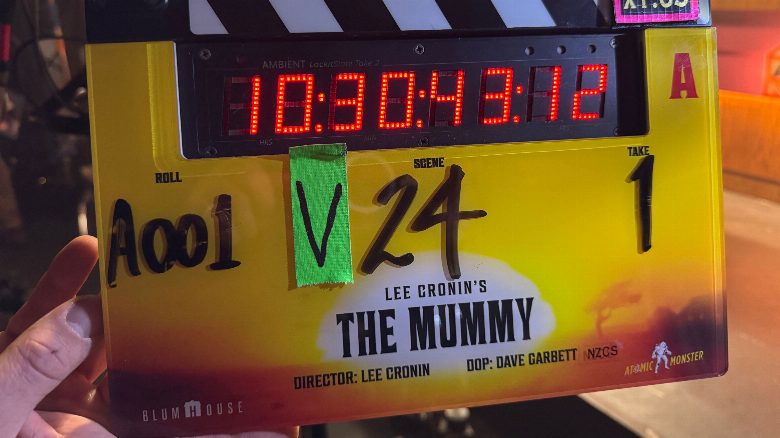
Lee Cronin is venturing into the world of iconic monsters with a fresh take on the classic creature feature, signaling a major shift in how modern audiences experience legacy horror franchises. While the genre often relies on the comfort of nostalgic tropes, this project positions itself as a visceral psychological descent rather than a standard supernatural romp. By casting May Calamawy, Laia Costa, and Jack Reynor, the production leans heavily into the emotional weight of a fractured household, grounding the inevitable terror in the lived reality of grief and domestic trauma. It is a bold move that mirrors the current trend in global cinema where filmmakers are prioritizing character-driven dread over simple jump scares, a stylistic choice that resonates deeply with fans of contemporary elevated horror.
The narrative hook revolves around a missing person case that defies logic, specifically focusing on the catastrophic fallout when a long-lost child suddenly reappears after nearly a decade. For enthusiasts of international cinema, particularly those who follow the dark, atmospheric storytelling coming out of the Malayalam or Tamil industries, this film will feel strikingly familiar in its commitment to building tension through isolation. The desert setting serves as a perfect, unforgiving backdrop for the unfolding mystery, allowing the isolation of the landscape to mirror the internal disintegration of the protagonists. It is not just a film about a monster; it is a film about the monstrosity of what happens when a family is forced to confront a ghost they have already finished mourning.
Viewers who appreciated the claustrophobic dread found in recent independent horror hits will likely find this iteration of the series to be an essential watch. Cronin has demonstrated a keen eye for visual storytelling in his previous work, and his transition into this high-stakes franchise suggests a director eager to push the boundaries of what a creature feature can represent in the current landscape. By centering the story on the psychological toll of a survivor returning home, the film invites the audience to question whether the true horror lies in the supernatural entity at the center of the mystery or the unrecognizable stranger that has stepped back into the family home. This project is clearly designed for those who prefer their scares delivered with a side of existential anxiety, making it a standout entry in the upcoming horror slate.