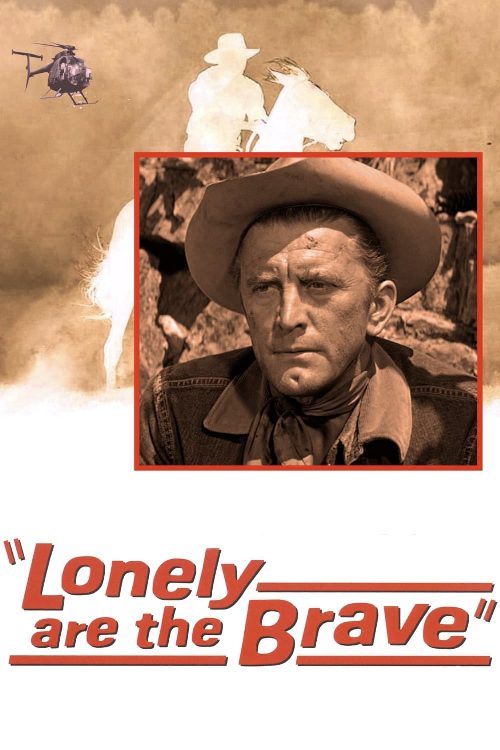
Lonely are the Brave(1962)
About Lonely are the Brave
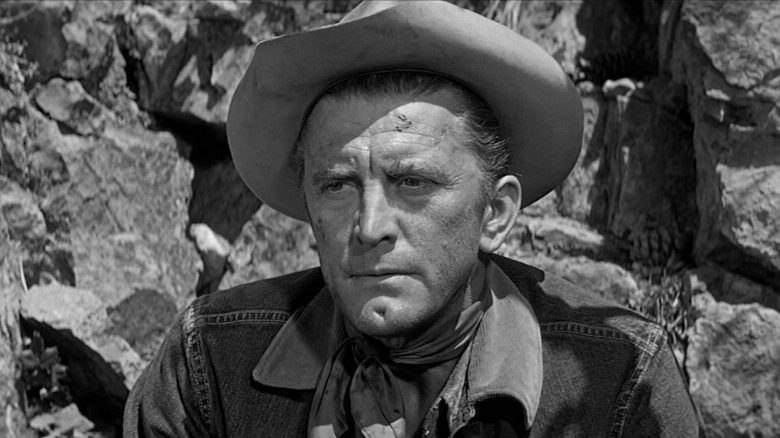
A fiercely independent cowboy arranges to have himself locked up in jail in order to then escape with an old friend who has been sentenced to the penitentiary.
In an era when the cinematic landscape often favored grand spectacle or rigid moral binaries, Lonely are the Brave arrives as a poignant meditation on the friction between rugged individualism and an encroaching, modernized world. The narrative centers on a defiant drifter who finds himself increasingly out of sync with a society that demands conformity, fences, and paperwork. By orchestrating his own arrest, he attempts a daring rescue mission for a comrade trapped behind bars, yet the true conflict lies in his refusal to accept the boundaries of the twentieth century. This is not merely a story of a jailbreak, but a study of a man who represents a dying breed of freedom, finding himself hunted by a technology and bureaucracy he cannot comprehend.
For those who appreciate the evolution of the Western genre, this film serves as a vital bridge between the traditional myth of the American frontier and the cynical, introspective dramas that would define the following decades. While the Indian film industry often explores similar themes of the lone crusader battling corrupt systems—seen frequently in the high-stakes dramas of the Telugu and Hindi circuits—this picture offers a more melancholic, minimalist perspective. It avoids the bombastic heroism of mass-market cinema, opting instead for a quiet, character-driven tension that relies on the weariness of its lead protagonist. It is an essential watch for viewers who enjoy films that prioritize internal character growth and philosophical questions over rapid-fire action sequences.
The performance at the heart of this drama is anchored by a portrayal of stoic resistance that resonates with the same grit found in the most memorable performances of contemporary global cinema. The film benefits from a tight, focused script that strips away the excess, leaving the audience to grapple with the tragedy of a man who is simply too honest for the reality he inhabits. It stands as a testament to the idea that some spirits are fundamentally incompatible with the changing tides of progress. Whether you are a devotee of classic Hollywood storytelling or a fan of nuanced, character-focused scripts, this production remains a powerful example of how a singular, unwavering perspective can drive a narrative to profound emotional depths. It is a timeless reminder that the most compelling conflicts are not always fought with weapons, but against the slow, inevitable erosion of one's own identity.
Cast(52)