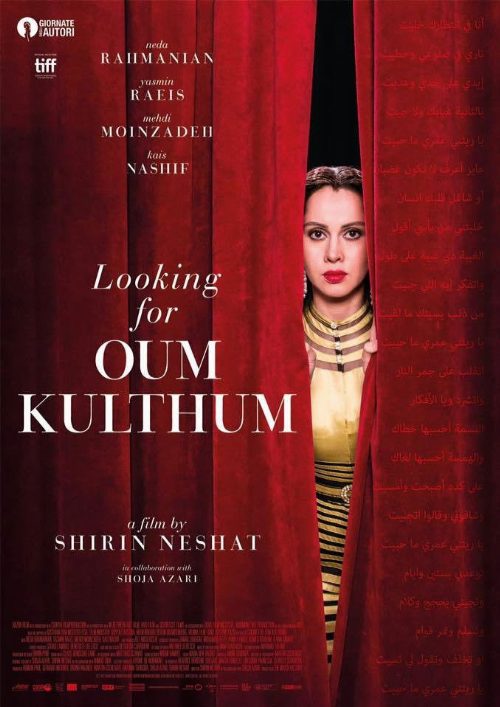
About Looking for Oum Kulthum
A film within a film, "Looking for Oum Kulthum" is the plight of an Iranian woman artist/filmmaker living in exile, as she embarks on capturing the life and art of the legendary female singer of the Arab world, Oum Kulthum. Through her difficult journey, not unlike her heroine's, she has to face the struggles, sacrifices and the price that a woman has to pay if she dares to cross the lines of a conservative male dominated society.
Shirin Neshat delivers a hauntingly meditative piece of cinema that bridges the gap between historical biography and the internal struggle of the contemporary creative spirit. By layering the narrative as a production within a production, the film explores the weight of legacy and the specific toll that artistic ambition extracts from women navigating traditional hierarchies. Rather than providing a straightforward account of the legendary Egyptian singer, the story focuses on a director who finds her own identity mirrored in the formidable strength and eventual isolation of her subject. It is a bold structural choice that elevates the project from a standard musical tribute into a profound examination of the female experience in the Middle East.
This film speaks directly to audiences who appreciate the nuanced storytelling found in current global art-house movements, particularly those who follow the evolution of cinema in regions where cultural heritage is both a source of pride and a restrictive force. For viewers accustomed to the high-energy song-and-dance spectacles often seen in the Indian film industry, this production offers a stark, contemplative contrast. It invites the audience to slow down and consider the silence between the notes, focusing on the psychic cost of success rather than just the fame itself. It is a work that demands patience but rewards the viewer with a deeply textured look at how history shapes the present.
The performance by Yasmine Raeis serves as the emotional anchor, capturing the frustration and intellectual rigor required to document a cultural icon who remains larger than life. Director Shirin Neshat leverages her background in visual arts to create frames that feel like moving paintings, ensuring that the visual language of the film is as significant as the dialogue. This is not merely a portrait of a singer; it is an interrogation of the intersection between gender, power, and the creative impulse. Anyone who enjoys character-driven narratives that challenge societal boundaries will find this film to be a compelling addition to their watch list. It remains a relevant study of how women transcend the limitations imposed upon them by conservative structures, proving that the struggle for artistic autonomy is a universal theme that resonates far beyond its specific geographic origins.