About Lui
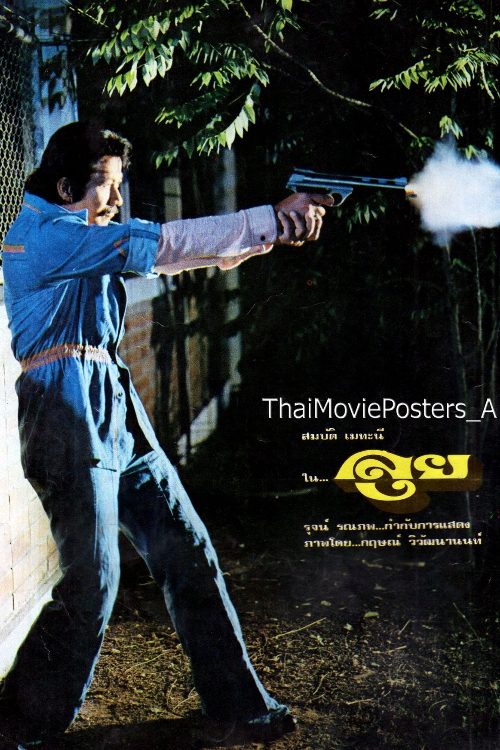
A hitman goes on a quest of revenge after his wife and child are killed in a car bomb set by his former compatriot. However, his tendency to shoot without thinking soon ends in tragedy, adding fuel to his undying bloodlust.
The decade of the 1970s marked a transformative era for Thai cinema, a period defined by raw kinetic energy and a shift toward grittier narratives that mirrored the global appetite for revenge-driven thrillers. Within this landscape, Lui stands out as a quintessential artifact of its time, capturing the hyper-masculine aesthetics and relentless pacing that defined local action filmmaking. The narrative centers on a protagonist pushed to the precipice of sanity, a man whose life is shattered by a calculated act of violence that claims his family. Rather than offering a meditative look at grief, the film leans heavily into the chaotic fallout of a gunman who operates on instinct rather than strategy. This impulsive nature drives the story forward, turning every encounter into a high-stakes standoff that blurs the line between justice and senseless slaughter.
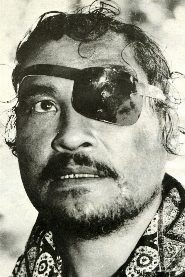
Sorapong Chatree delivers a performance that anchors the film, utilizing his status as a legendary figure in Thai movies to embody the weary, hardened exterior of a man consumed by his own vengeance. His portrayal is essential for viewers who appreciate the classic archetypes of the seventies action star, where physical presence often outweighed complex dialogue. Director Ruj Ronapop crafts a visual language that prioritizes visceral intensity, ensuring that the audience feels the weight of every confrontation. While the core premise of a hitman seeking retribution is a staple of the crime genre, the film distinguishes itself through its uncompromising commitment to the protagonist’s descent. It avoids the polished, stylized aesthetics of modern cinema in favor of a gritty, tactile realism that feels authentic to its regional origins.
This motion picture is recommended for enthusiasts of vintage international cult cinema who find value in the evolution of the action genre. It serves as a fascinating study for those tracking how Southeast Asian studios approached the crime thriller format before the digital age redefined visual storytelling. The film does not merely rely on pyrotechnics; it focuses on the psychological deterioration of a man who has lost his moral compass. For fans of hard-boiled narratives where the hero is as much a victim of his own choices as he is of his enemies, this production offers a compelling look at the dark heart of 1970s Thai action. It remains a notable piece for anyone interested in exploring the foundational works of a performer whose career would eventually span decades, highlighting a pivotal moment in the history of the industry.
Cast(12)