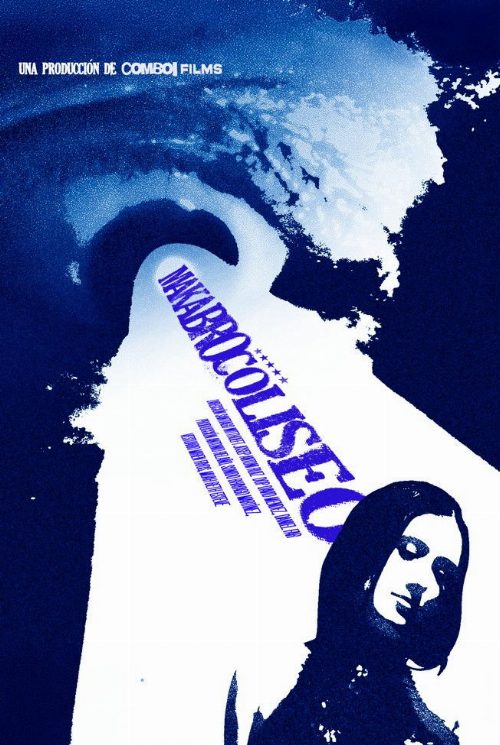
About Makabro Coliseo
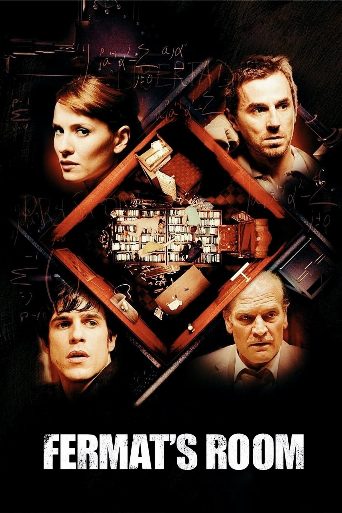
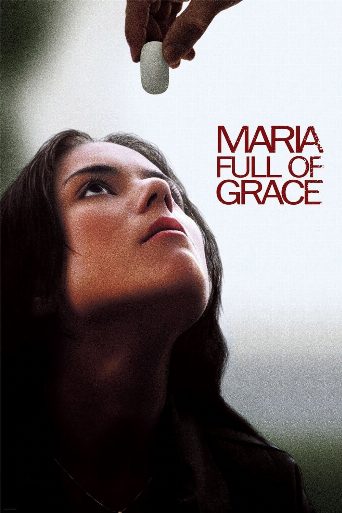
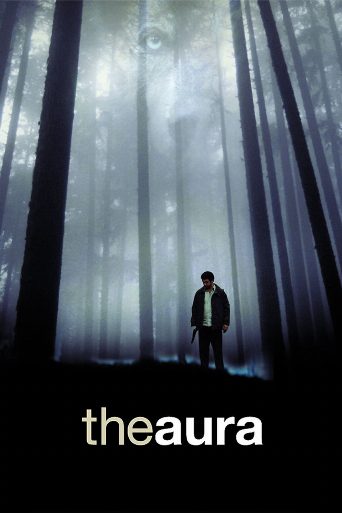
The Spanish horror landscape is undergoing a visceral transformation, and Makabro Coliseo emerges as a sharp, unsettling addition to this evolving genre. While many international thrillers lean heavily on supernatural tropes, this production opts for a more grounded, claustrophobic intensity that prioritizes psychological dread over mere jump scares. The film masterfully utilizes its confined setting to mirror the internal fracturing of its characters, creating a sense of inescapable pressure that feels reminiscent of the high-stakes tension seen in recent breakout hits from the global independent circuit. For audiences who enjoy the gritty, slow-burn atmosphere characteristic of modern European suspense, this title offers a refreshing departure from the polished, predictable narratives that often dominate streaming platforms.
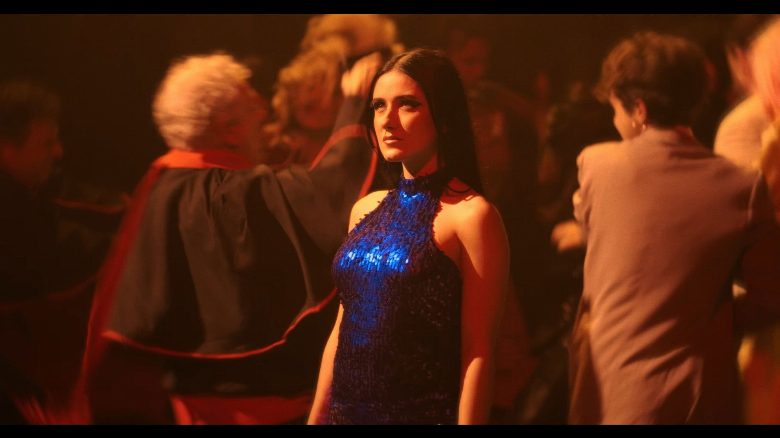
The ensemble cast, led by Angie Esteve and Adolfo Gadea, brings a raw, authentic energy to the screen that is essential for a premise rooted in survival and desperation. Their performances appear to be the anchor of the project, grounding the more extreme elements of the script in human vulnerability. Directorially, the film seems to embrace a minimalist aesthetic, choosing to let the stark environment and the actors shifting dynamics drive the momentum rather than relying on heavy visual effects. This approach aligns with a broader trend in world cinema where filmmakers are stripping back the spectacle to focus on the primal, often disturbing, mechanics of human reaction under extreme duress. It is an approach that resonates deeply with viewers who appreciate character-driven storytelling where the stakes feel personal and immediate.
Fans of international genre cinema will likely find this work compelling because it ignores the safety of mainstream conventions in favor of something far more jagged and unpredictable. It fits comfortably alongside the darker explorations of human nature that have gained traction in both Spanish-language markets and among global cinephiles who look for films that challenge their comfort zones. By focusing on the tension between the individual and their environment, the production creates a specific brand of unease that lingers long after the final frames. Whether one is drawn to the technical craft of suspense building or the intricate work of the cast, the film positions itself as a significant entry for those who prefer their horror to be cerebral, intense, and profoundly atmospheric. It serves as a reminder that the most terrifying conflicts are often those that occur when people are pushed into a corner with no easy way out.



![[REC] poster](/storage/tmdb/resized/w342/hgyJR4sgMsee6xMFM3xYiG6cDCh.jpg)