About Maledicto
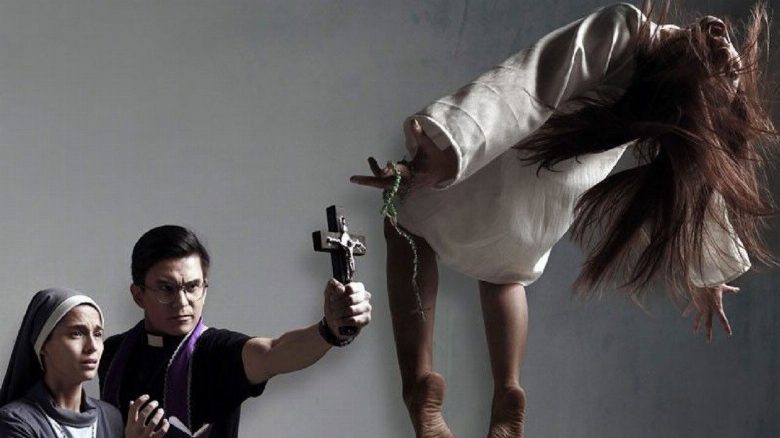
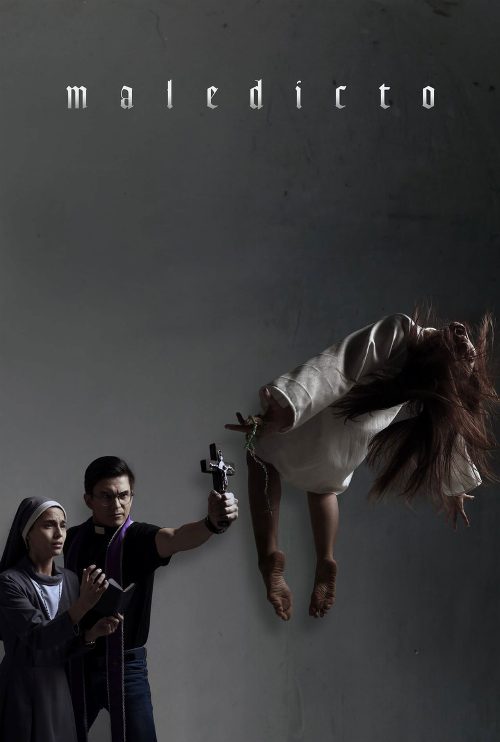
When Fr. Xavi is put on the case as a last resort, she sees one last chance to find help for the girl. With the aid of his keen observation skills, his rigorous learning, a heady clairvoyant assistant and perhaps a little faith, the cynical Fr. Xavi must find the means to confront a gripping darkness bigger than himself, and in doing so find some measure of purpose and redemption.
The landscape of Philippine horror has long been defined by its unique fusion of visceral terror and deeply rooted Catholic symbolism, and Maledicto stands as a provocative entry within this storied tradition. By centering its narrative on the volatile intersection of clinical skepticism and spiritual warfare, the film moves beyond standard jump scares to explore the psychological toll of exorcism. The story follows a former psychologist turned priest who is forced to confront a disturbing case of demonic possession, a premise that effectively mirrors the global fascination with faith-based horror. This is not merely a tale of monsters, but a character study that questions whether a man of science can reconcile his rational worldview with the inexplicable darkness he encounters within the walls of a family home.
For viewers who follow international genre cinema, particularly those who appreciate the atmospheric tension found in contemporary Southeast Asian thrillers, this production offers a refreshing departure from the supernatural tropes common in mainstream horror. The film stands out by grounding its supernatural elements in the internal struggle of its protagonist, whose journey is less about physical combat and more about a desperate search for personal absolution. The presence of Tom Rodriguez in the lead role provides a necessary anchor, as he portrays a man whose professional detachment is systematically dismantled by the horrors he witnesses. This focus on the human element makes the unfolding mystery feel immediate and grounded, even when the visual effects lean into the grotesque.
Audiences who enjoy films that balance thematic depth with genre thrills will likely find this project compelling. It is positioned as a sophisticated look at how trauma manifests in the lives of the vulnerable, using the framework of possession to comment on unresolved guilt and the fragility of belief. While it respects the conventions of the horror genre, it prioritizes the slow-burn evolution of its characters, ensuring that the tension remains high throughout. Fans of regional cinema who are seeking a film that challenges the boundaries of traditional ghost stories will appreciate the meticulous attention to tone and the nuanced performances that elevate the material. By weaving together elements of procedural investigation and theological dread, the director delivers a vision that lingers long after the final credits, inviting the audience to reconsider the thin line between the known world and the shadows that lie just beyond our perception.
Cast(16)