
About Mean Teacher
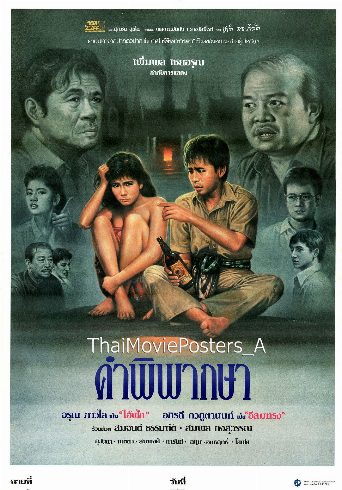
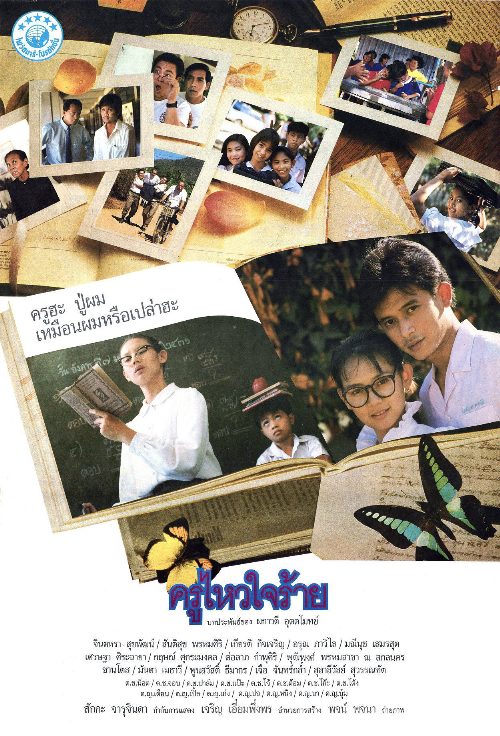
The story of a dedicated teacher who devoted herself not only to teach her student in various subjects, but also preach everyone to abide to her strict rules to keep everything in perfect order.
Stepping into the late eighties Thai cinema landscape, Mean Teacher emerges as a fascinating character study that prioritizes rigid discipline and the complex power dynamics within a classroom setting. While many films of this era leaned into high-octane action or sweeping romances, director Sakka Charuchinda chose to anchor his narrative in the claustrophobic tension of an educational environment. The story centers on an educator whose commitment to academic excellence is matched only by her unwavering insistence on absolute conformity. By placing such a severe personality at the heart of the drama, the film transforms the standard schoolhouse setting into a theater of psychological friction, where the pursuit of order becomes a polarizing force for both the faculty and the student body.
This production offers a distinct glimpse into the cultural values of its time, reflecting a societal preoccupation with authority and the structured transition from childhood to adulthood. For viewers who enjoy nostalgic character-driven dramas, this film serves as an intriguing time capsule of Thai storytelling. It moves away from the glossy aesthetics often seen in contemporary regional cinema, instead offering a grounded look at the personal sacrifices and moral complexities that define a traditional teaching career. The film is particularly suited for audiences who appreciate films that explore the duality of mentors, where the line between guidance and authoritarianism is intentionally blurred to provoke thought about the efficacy of strict rule-based pedagogy.
The cast, featuring Chintara Sukapatana alongside a robust ensemble, brings a layer of authenticity to the shifting alliances that emerge under the teacher’s iron-fisted leadership. Sakka Charuchinda demonstrates a clear interest in how individual freedom clashes with systemic expectations, a theme that remains relevant across various global film industries today. As the narrative unfolds, the audience is forced to weigh the benefits of a disciplined education against the emotional toll it extracts from those caught in its orbit. The film successfully positions itself as more than just a simple portrait of a classroom, evolving into an examination of human nature under pressure. For those tracking the evolution of Southeast Asian drama, this work remains a significant point of interest, showcasing a period where filmmakers were increasingly willing to challenge the status quo through the lens of institutional life.