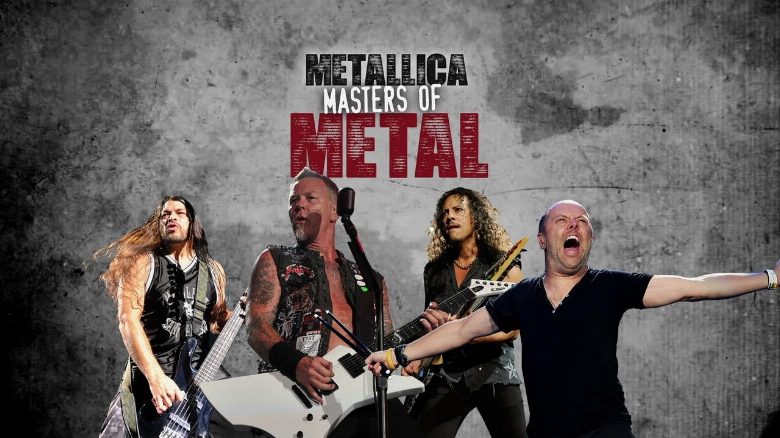

About Metallica: Masters of Metal
They are one of the most influential heavy metal bands of all time. Alongside Slayer, Anthrax and Megadeth, the Masters of Metal are an important part of the "big four". Over 100 million record sales worldwide, they are one of the most commercially successful bands of all time. With a career that spans over 33 years, the band created by James Hatfield and Lars Ulrich as renamed a genre after themselves. From the early days in a garage to the successful heights of sell out stadium tours, they redesigned the concept of heavy metal music. This is the all access story about their journey. All rise to Metallica, the Masters of Metal.
Few musical acts have managed to reshape the sonic landscape of global culture as thoroughly as the California quartet at the center of Billy Simpson’s 2014 documentary. While Indian audiences are often deeply invested in the grand musical traditions of Bollywood or the rhythmic complexity of Telugu and Tamil cinema, the raw, aggressive energy of thrash metal finds a surprising resonance with fans of high-octane, intense storytelling. Metallica: Masters of Metal serves as an essential deep dive into the evolution of James Hetfield and Lars Ulrich, capturing the grit of their early garage sessions alongside the sheer magnitude of their transformation into stadium-filling icons. It is a film that functions less like a standard biography and more like a visceral exploration of how four individuals fundamentally altered the trajectory of heavy music.
The documentary distinguishes itself by moving beyond typical tabloid narratives, focusing instead on the technical evolution and persistent creative tension that defined the band for over three decades. For viewers who appreciate the craft behind the curtain, the film provides a rare vantage point into the discipline required to maintain a presence in the music industry while constantly reinventing a genre. It is positioned as a comprehensive look at the internal dynamics that allowed a group to thrive alongside legendary peers like Megadeth and Slayer. For the Indian film buff accustomed to the sprawling, multi-hour epics of regional cinema, the concise pacing of this feature offers a refreshing, documentary-style look at the cost of stardom and the relentless pursuit of artistic perfection.
This production is highly recommended for anyone who values the intersection of history and performance art. Even if you are not a lifelong headbanger, the film offers a compelling look at the cultural impact of a band that became a shorthand for an entire movement. By documenting the shift from underground scenes to global dominance, the director captures a universal story of ambition and endurance. As modern cinema continues to blur the lines between concert footage and narrative filmmaking, this piece stands as a testament to the power of archival storytelling. It is a vital watch for those who admire the relentless drive of artists who refuse to stay static, echoing the same spirit of innovation found in the most ambitious projects coming out of the contemporary Indian film industries today.