Missile X: The Neutron Bomb Incident(1979)
About Missile X: The Neutron Bomb Incident
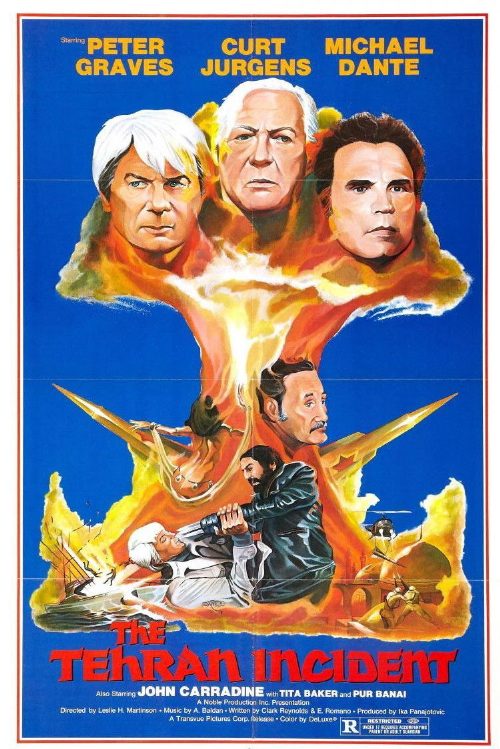
An American intelligence agent travels to pre-Islamic Revolution Iran to try to thwart a power-mad European baron from using a stolen cruise missile to destroy an unspecific target in that country.
The late seventies were a golden era for high-stakes international espionage cinema, and Missile X The Neutron Bomb Incident captures the frenetic energy of that geopolitical landscape perfectly. Released in 1979, the film functions as a quintessential relic of its time, tapping into global anxieties about nuclear proliferation and the fragile stability of the Middle East just before the Iranian Revolution transformed the regional map forever. While modern Indian cinema has recently pivoted toward massive pan-Indian spectacles that blend historical revisionism with high-octane action, this specific production offers a fascinating contrast. It relies on the classic cat-and-mouse dynamics of the Cold War era, favoring practical tension and globe-trotting intrigue over the CGI-heavy sequences that define contemporary blockbusters in the Telugu or Hindi markets.
At the center of this adventure is Peter Graves, whose commanding screen presence grounds the narrative as he takes on the role of an intelligence operative racing against time. The plot thrives on the archetypal villainy of a rogue aristocrat seeking to weaponize a stolen cruise missile, a setup that will feel remarkably familiar to fans of vintage Bond films or spaghetti western-influenced thrillers. The presence of veteran character actors like John Carradine and Curd Jurgens adds a layer of gravitas that elevates the material beyond a simple B-movie romp. For viewers who appreciate the gritty, analog aesthetic of late seventies action, the film serves as a compelling time capsule. It lacks the slick polish of modern digital cinematography, yet it compensates with a raw, earnest commitment to its high-concept premise that keeps the pace brisk and the stakes feeling personal.
This film is a must-watch for cinephiles who track the evolution of the action thriller genre, particularly those who enjoy seeing how Western studios navigated volatile real-world politics through the lens of pulp fiction. While audiences accustomed to the hyper-stylized choreography of current Indian action hits might find the pacing deliberate, there is a distinct charm in its straightforward storytelling. It avoids the convoluted subplots often found in today's multi-layered narratives, focusing instead on the singular, ticking-clock desperation of its protagonist. By positioning its conflict against the backdrop of a pre-revolutionary Iran, it offers a glimpse into a period of history that is rarely explored with such pulpy intensity. It remains a notable entry for those looking to understand the foundations of the global thriller, providing a template for the heroic, one-man-against-the-world archetype that continues to influence directors and writers across the international film community today.
Cast(22)










Crew
Author
Director
Makeup Artist
Assistant Camera
Choreographer
Sound Re-Recording Mixer
Stunt Coordinator
Similar Films