
About Mr. B Natural
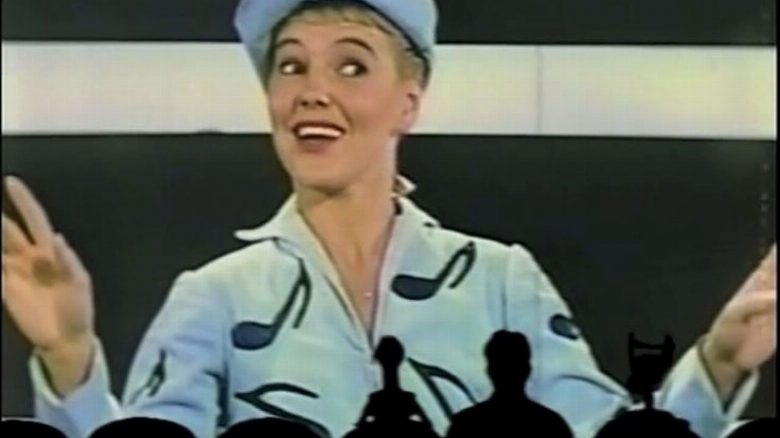
An androgynous 'hep pixie' helps a lonely junior high student release his inner musician and join his school band.
Stepping into the strange and charming world of Mr. B Natural feels like unearthing a forgotten relic from the mid-century American educational film movement. At its core, this 1956 production is a surreal musical fantasy that centers on a young, socially isolated boy struggling to find his place within his school environment. The narrative takes a turn toward the whimsical when he is visited by a mysterious, sprite-like guide who encourages him to embrace his potential as a musician. While it is certainly a product of its time, the film serves as a fascinating historical artifact that highlights how post-war American culture utilized storytelling to promote extracurricular engagement and artistic expression among youth.
For those accustomed to the grand, high-budget spectacles currently dominating the Telugu and Hindi film industries, Mr. B Natural offers a starkly different viewing experience. It operates on a modest scale, relying heavily on its eccentric lead performance and a clear, didactic intent that was typical of the industrial films produced during the 1950s. The film is best viewed through the lens of curiosity rather than traditional cinematic critique. It is an ideal pick for cinephiles who enjoy exploring the oddities of film history, particularly those who appreciate how early media attempted to influence social behavior through the power of fantasy and musical performance.
The production stands out primarily due to its peculiar tone, which oscillates between earnest encouragement and a dreamlike quality that modern audiences often find unintentionally humorous. Phil Patton directs with a focus on delivering a specific message about the joys of communal music-making, ensuring that the central protagonist undergoes a transformation that feels rewarding within the narrow scope of the story. The cast delivers performances that are unmistakably theatrical, perfectly capturing the optimistic, instructional spirit of the era. Whether you are a dedicated historian of mid-century aesthetics or simply a fan of offbeat storytelling, this film provides a brief, memorable window into the values and production styles that shaped a generation of American school-aged children. It remains a singular piece of work that reminds us how cinema has long been used as a tool to bridge the gap between social anxiety and creative confidence, even if the methods employed here feel entirely unique to the vintage charm of the mid-fifties.
Cast(4)


Crew
Director
Writer
Music
Editor
Director of Photography
Similar Films