About Murder in the Building
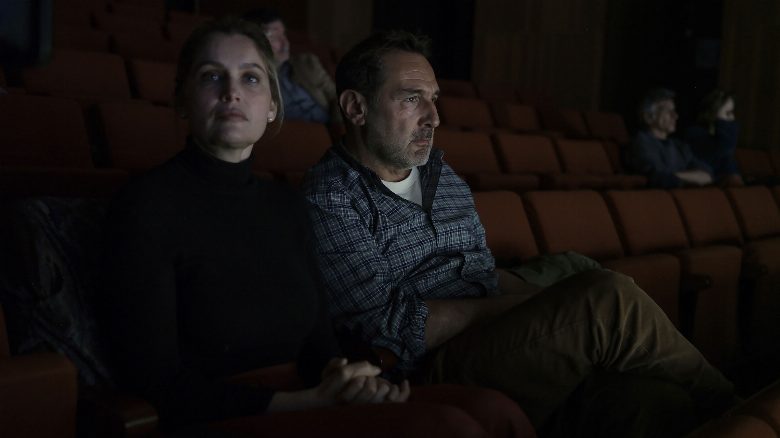
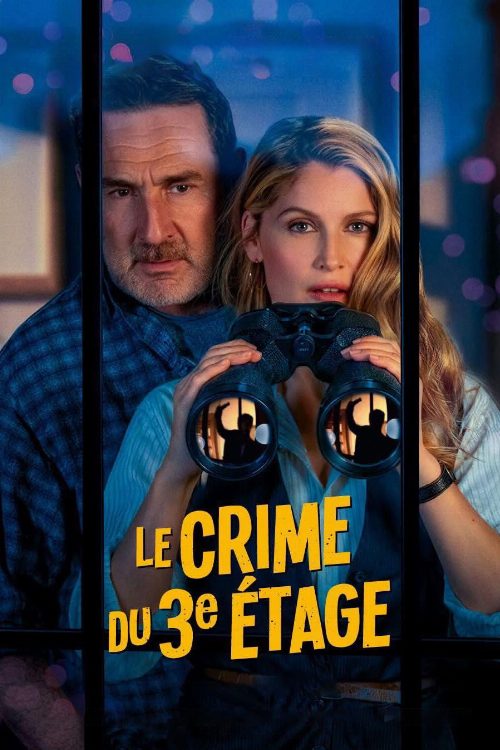
Misanthropic novelist François writes gripping crime stories – “Agatha Christie meets The Scarlet Pimpernel” – but outside of the swashbuckling imaginary world of his Marquis la Rose-novels, life is far from thrilling. His partner Colette, a professor at the Sorbonne and world-renowned expert on Alfred Hitchcock, is tired of watching François sit around their apartment in his pyjamas and yearns for the excitement of the classic films she watches with her students. When Colette begins to suspect their flamboyant actor neighbour of murdering his wife, the couple’s mundane lives are turned upside down – and their stale relationship is jolted back to life.
French cinema has long mastered the art of the domestic comedy, and Murder in the Building arrives as a witty addition to this tradition by blending intellectual cynicism with the thrill of a classic whodunit. The story centers on Francois, a novelist who excels at crafting elaborate historical mysteries on the page while remaining utterly detached from his own humdrum reality. His partner, Colette, provides a sharp contrast as an academic specializing in the mechanics of suspense, a juxtaposition that fuels the film’s central friction. By positioning these characters as observers of life rather than participants, the film breathes new energy into the trope of the amateur sleuth, moving the focus away from the crime itself and toward the revitalization of a flagging partnership.
This project sits comfortably alongside recent international trends that favor character-driven dramedies, where the investigation serves primarily as a catalyst for emotional evolution. For viewers who enjoy the cerebral playfulness of classic European mystery films or the tension-filled banter found in modern relationship studies, this movie offers a sophisticated balance. It avoids the grit of standard procedural thrillers in favor of a lighter, more theatrical tone that highlights the absurdity of its protagonists. The chemistry between the two leads is clearly intended to be the engine of the narrative, as their shared obsession with the neighbor’s supposed dark secret forces them to abandon their sedentary habits and engage with the world in a way they have neglected for years.
The film feels particularly timely for audiences who appreciate a blend of high-brow cinema references and accessible, character-led humor. By casting the mystery through the lens of a novelist and an expert on suspense, the director invites the audience to play along with the tropes, creating a meta-fictional layer that keeps the experience engaging. It is a movie designed for those who prefer dialogue-heavy scenes and subtle physical comedy over relentless action sequences. As the couple navigates the escalating suspicion surrounding their neighbor, the stakes of their personal connection feel just as vital as the outcome of the investigation itself. This is an elegant piece of storytelling that reminds us how a common goal can be the best remedy for a stale domestic routine, making it a compelling watch for anyone who loves a narrative that prizes wit and psychological nuance above all else.