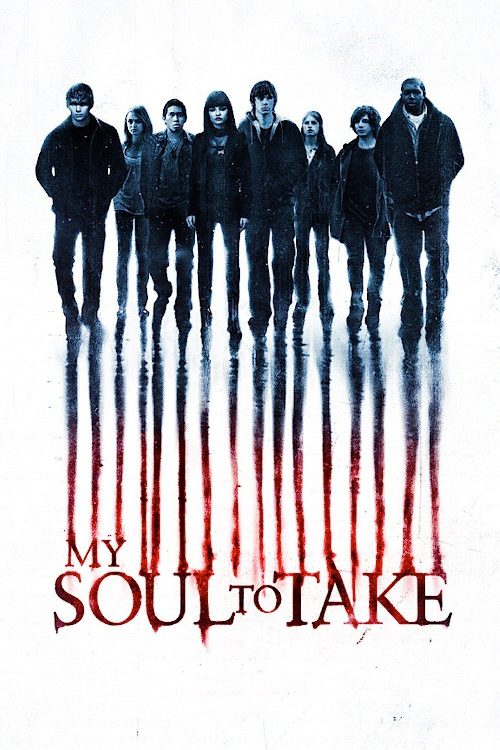
About My Soul to Take
On the day the Riverton Ripper vanished without a trace, seven children were born. Today, they're all turning 16... and turning up dead.
Wes Craven holds a legendary status in the landscape of psychological horror, and his 2010 venture My Soul to Take captures a specific moment in the evolution of the slasher genre. While Indian cinema has frequently explored supernatural vengeance and the cycle of rebirth through sophisticated mythological lenses, this Hollywood production shifts the focus toward the terrifying uncertainty of adolescence. The premise centers on a group of teenagers sharing a peculiar, interconnected birth date with a notorious local killer who seemingly met his end years prior. As these youths approach their sixteenth birthday, a series of violent incidents begins to mirror the history of their sleepy town, forcing the characters to question whether they are being hunted by a human adversary or something far more malevolent.
The film distinguishes itself by stepping away from the traditional tropes of anonymous masked assailants, opting instead to weave a narrative around the psychological toll of shared trauma. For viewers who appreciate the thematic depth often found in Malayalam or Tamil psychological thrillers, where the past acts as an inescapable haunting force, this movie offers a similar investigation into how childhood fears manifest in adulthood. It is less about the mechanics of a hunt and more about the fragility of identity when faced with a legacy of violence. The suspense relies heavily on the tension between the characters and their environment, making it a compelling study of how small communities bury their darkest secrets until they inevitably resurface.
Audiences who enjoy mystery-driven narratives will find the most to admire here, as the film prioritizes atmosphere and the unfolding of a complex local lore over simple jump scares. It reflects a time in cinema when directors were experimenting with how to revitalize the slasher format by injecting it with supernatural ambiguity. Given Craven’s extensive history of deconstructing horror tropes, this work serves as a fascinating entry point for those interested in his specific stylistic fingerprints. Whether one is a seasoned horror enthusiast or a casual viewer who enjoys a well-paced mystery, the film functions as a dark, moody exploration of destiny and the lingering ghosts that refuse to stay forgotten. It remains a notable example of a creator attempting to bridge the gap between gritty realism and the surreal, providing a viewing experience that lingers in the mind long after the final frame.
Cast(32)