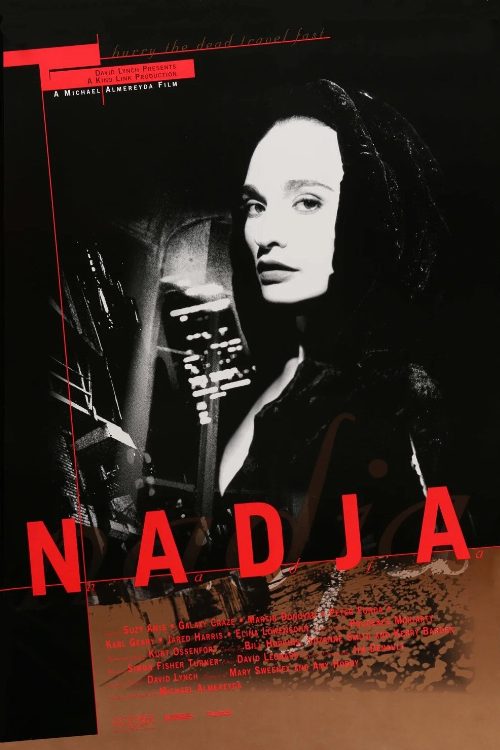
About Nadja
In a contemporary New York City, members of a dysfunctional family of vampires are trying to come to terms with each other, in the wake of their father's death. Meanwhile, they are being hunted by Dr. Van Helsing and his hapless nephew. As in all good vampire movies, forces of love are pitted against forces of destruction.
The neon-soaked streets of mid-nineties New York provide an unlikely backdrop for a gothic exploration of bloodline legacies and familial decay. Nadja arrives as a stylistic outlier in the vampire subgenre, trading traditional cape-and-castle aesthetics for the disaffected, cool detachment of the post-punk era. Directed by Michael Almereyda, the film operates less like a standard horror flick and more like a moody character study where the supernatural elements are merely prisms through which to view human alienation. By focusing on a fractured brood navigating the void left by their patriarch, the narrative finds a peculiar intimacy that feels remarkably grounded despite the presence of immortal predators roaming the urban landscape.
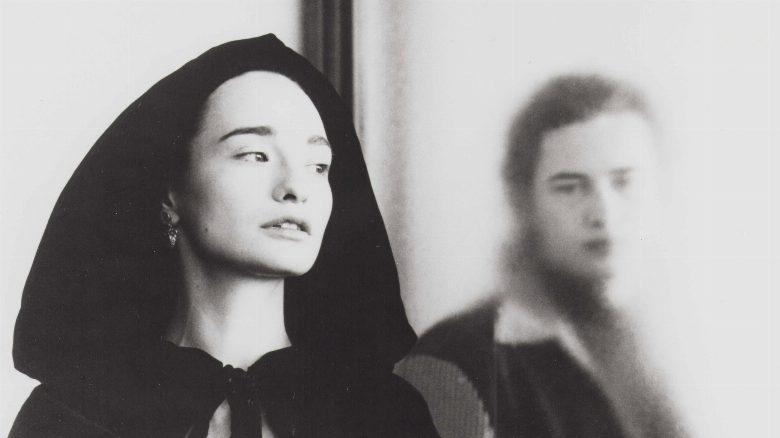
The film distinguishes itself through its experimental visual language, notably utilizing the Toyo-Optics pixelvision camera to create a grainy, dreamlike texture that feels trapped in a permanent state of dusk. This aesthetic choice resonates with the sensibilities of modern independent cinema, where atmosphere often takes precedence over jump scares. Fans of stylized, slow-burn narratives will find much to admire here, as the film prioritizes the psychological friction between characters over traditional genre tropes. It sits comfortably alongside the gritty, art-house sensibilities often celebrated in contemporary international cinema, appealing to viewers who appreciate a film that prioritizes mood and thematic depth over conventional pacing.
At the heart of the production is a cast that bridges the gap between classic genre legends and rising indie talent. Peter Fonda brings a weary, seasoned gravitas to his role, grounding the more fantastical elements of the pursuit, while Elina Lowensohn delivers a performance that perfectly captures the ennui of an eternal being. For those who enjoy the dark, introspective character dramas favored in modern Malayalam or Tamil independent circles, Nadja offers a similar commitment to exploring identity and isolation. It is a work that demands patience, rewarding the audience with a singular vision of vampirism that feels entirely disconnected from the mainstream horror trends of its decade. As a study of dysfunctional relationships masked by supernatural stakes, it remains a compelling relic of nineties experimental filmmaking that continues to influence the way directors play with the boundaries of reality and myth.
Cast(21)