
About Nanon
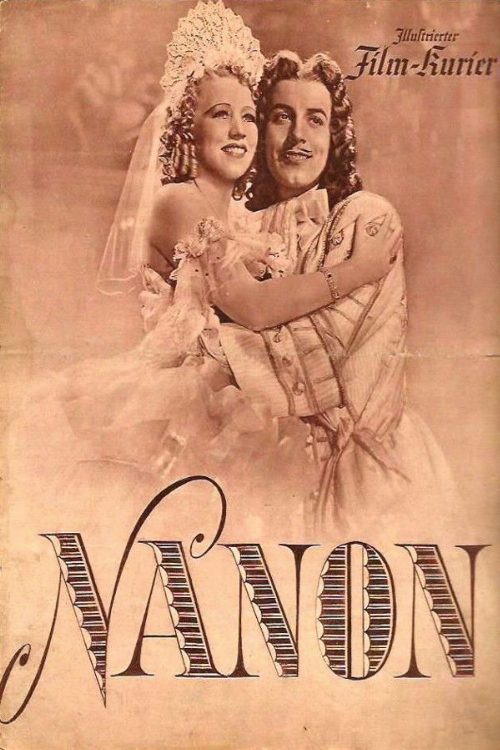
An operetta directed by Herbert Maisch.
Stepping back into the glittering era of pre-war European cinema reveals a charming relic that highlights the universal appeal of lighthearted musical theater adapted for the silver screen. Nanon, released in 1938, stands as a quintessential example of the operetta genre that once dominated German entertainment, offering a polished escape through vibrant melodies and comedic timing. While modern audiences often associate German cinema of that decade with more somber or propagandistic works, this production deliberately leans into the frothy, romantic traditions established by stage masters like Richard Genee. It captures a specific moment in time where the focus remained squarely on theatrical elegance and vocal virtuosity, serving as a reminder that even during periods of immense political tension, the public clamored for the comfort of high-spirited period pieces set in fictionalized versions of the past.
The film relies heavily on the charisma of Erna Sack, whose presence elevates the production far beyond a simple costume drama. Known for her remarkable vocal range, she anchors the narrative with musical segments that function as the emotional heartbeat of the story. For viewers today, the appeal lies in observing how the industry balanced the technical constraints of the late thirties with the elaborate artifice required for successful musical comedy. The film captures the essence of a bygone style where staging was deliberate and the ensemble cast operated with the synchronized precision of a dance troupe. It is a fascinating watch for those interested in the evolution of European musicals or the specific brand of escapism that defined mid-century continental studios.
Comparing this to the current landscape of Indian cinema, where the musical remains a vibrant and essential storytelling pillar, one can see a shared DNA in how Nanon prioritizes song as a narrative driver rather than a mere interruption. Just as contemporary Telugu or Tamil blockbusters leverage powerful soundtracks to heighten emotional beats, this German production uses its operatic roots to define its characters and propel the plot forward. Fans of classic cinema who appreciate the structural playfulness of old-school comedies will find this work particularly engaging. It acts as a bridge to a different linguistic and cultural sphere, proving that the desire for rhythm, romance, and lighthearted humor is a cross-cultural constant that transcends the boundaries of time and geography. For the cinephile curious about the pedigree of musical filmmaking, this title remains a notable, if niche, chapter in the history of the European screen.
Cast(18)