About Narc
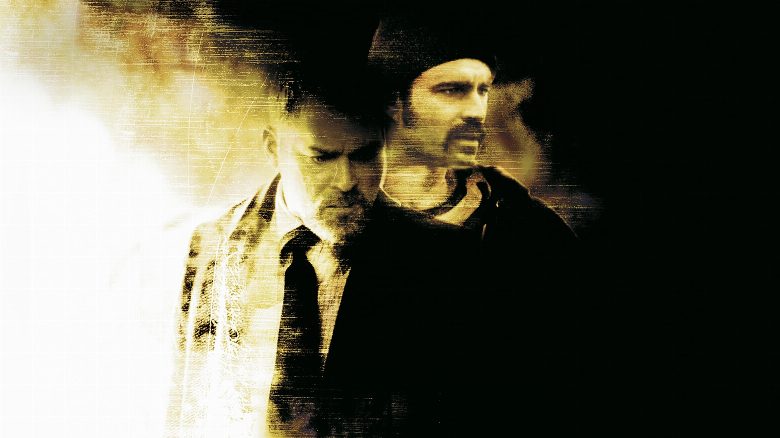
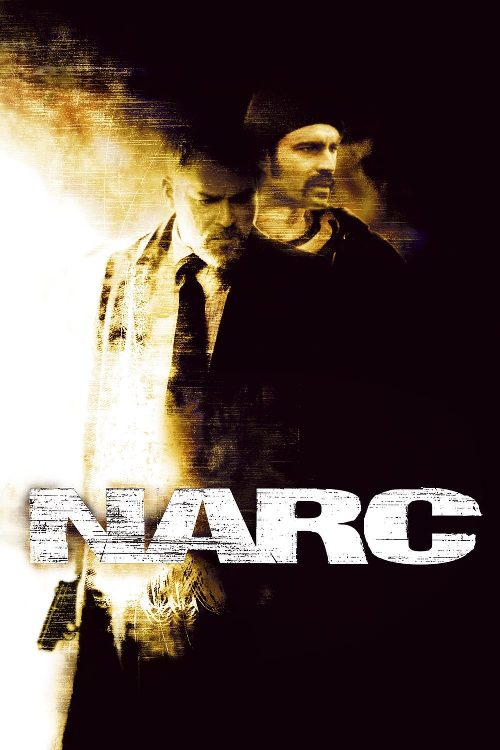
Narcotics Sergeant Nick Tellis, on leave after a trauma, is called back to investigate the murder of fellow undercover operative Michael Calvess, joined by the victim's unpredictable and brutal ex-partner, Henry Oak. Working together in the back alleys of Detroit, Tellis and Oak delve into a dark investigation that leads them to uncover shocking secrets and question the corruption and morality within the department, encountering unorthodox methods and a brutal truth about Calvess's death.
The grit of urban decay has rarely been captured with as much visceral intensity as it is in the 2002 crime thriller Narc. While modern audiences often associate intense police procedurals with the polished aesthetics of contemporary streaming hits, this film serves as a stark reminder of the raw, handheld documentary style that defined early millennium cinema. It eschews the glamour often found in Hollywood depictions of law enforcement, opting instead for a bleak, claustrophobic atmosphere that mirrors the moral ambiguity of its central characters. By focusing on the psychological toll of undercover work, the narrative transcends the standard whodunit structure, positioning itself as a character-driven study of men pushed to the brink by their own professional obsessions.
This project stands out for its uncompromising commitment to realism, a trait that resonates strongly with fans of intense regional Indian cinema, particularly the dark, atmospheric thrillers emerging from the Malayalam industry. Just as films like Nayattu or Joji deconstruct the fragility of institutional integrity, Narc interrogates the fine line between justice and vengeance. The dynamic between the protagonist, a man struggling to reconcile his past trauma, and his volatile partner creates a powder-keg tension that keeps the viewer perpetually off-balance. For those who appreciate narratives where the city itself functions as a decaying antagonist, the film provides a masterclass in tension, utilizing its grimy Detroit backdrop to emphasize the isolation of its leads.
The production is a testament to the power of focused storytelling, stripping away unnecessary subplots to prioritize the internal rot of a police department. Viewers who enjoy deep dives into systemic corruption and the personal cost of duty will find much to dissect here. It is a demanding watch that asks its audience to navigate a landscape where heroes and villains are indistinguishable under the neon lights of back alleys. By centering on the fallout of a single officer's death, the film forces an examination of how far an individual should go to uncover the truth, making it a compelling choice for anyone seeking a high-stakes investigation that prioritizes mood and character evolution over flashy action sequences. The legacy of such films continues to influence gritty police dramas across global markets, proving that the most effective thrillers are often those that refuse to provide easy answers to complex ethical dilemmas.
Cast(32)