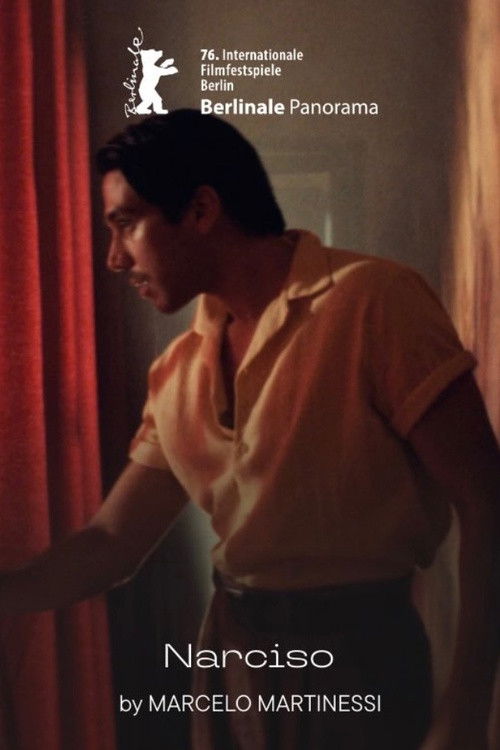
About Narciso
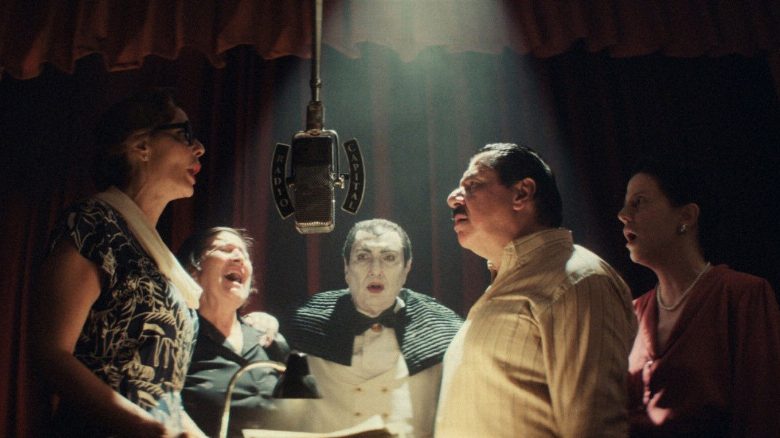
Paraguay, 1958. The charismatic Narciso returns from Buenos Aires with rock ’n’ roll in his veins. Under the suffocating military regime, he becomes a music sensation and a symbol of freedom. But then, after his final show, he is found dead…
The humid atmosphere of late fifties Paraguay provides a haunting backdrop for the upcoming thriller Narciso, a film that attempts to capture the tension between artistic liberation and the crushing weight of authoritarian rule. Director Marcelo Martinessi, known for his keen eye for social dynamics and quiet human struggle, pivots toward a more stylized, suspenseful narrative here. By centering the story on a protagonist who embodies the rebellious energy of early rock music, the film taps into the familiar cinematic trope of the doomed icon whose very existence challenges the status quo. It is a striking departure from standard period dramas, opting instead to weave a murder mystery into the fabric of a nation gripped by political paranoia.
Nahuel Perez Biscayart anchors the production with a performance that promises to be both electric and melancholic, portraying a man caught in the crossfire of his own burgeoning fame and the dark undercurrents of a restrictive society. The film functions as both a character study and a clinical examination of how totalitarian environments consume those who dare to shine too brightly. For audiences accustomed to the grit of South American cinema or the slow-burn intensity of investigative mysteries, this project offers a sophisticated blend of atmosphere and intrigue. It avoids the trap of becoming a simple biopic by prioritizing the investigative elements that follow the protagonist's abrupt disappearance from the public eye.
This work will likely appeal to viewers who appreciate historical dramas that prioritize mood and subtext over excessive action. Much like the recent wave of international films that mine the past to mirror contemporary anxieties about freedom of expression, Narciso positions itself as a cautionary tale about the fragility of individuality in a state that demands total conformity. The supporting cast, featuring stalwarts like Margarita Irun and Arturo Fleitas, suggests a grounded, authentic portrayal of the era that should satisfy cinephiles looking for depth rather than mere spectacle. As the narrative unfolds, the film invites the audience to piece together a puzzle where the primary obstacle is not just the crime itself, but the suffocating silence imposed by the regime surrounding it. By blending the rhythmic pulse of mid-century music with the cold reality of a police state, the director crafts a story that feels both specific to its regional roots and universal in its thematic reach.
![[REC] poster](/storage/tmdb/resized/w342/hgyJR4sgMsee6xMFM3xYiG6cDCh.jpg)