About No. 1 Chung Ying Street
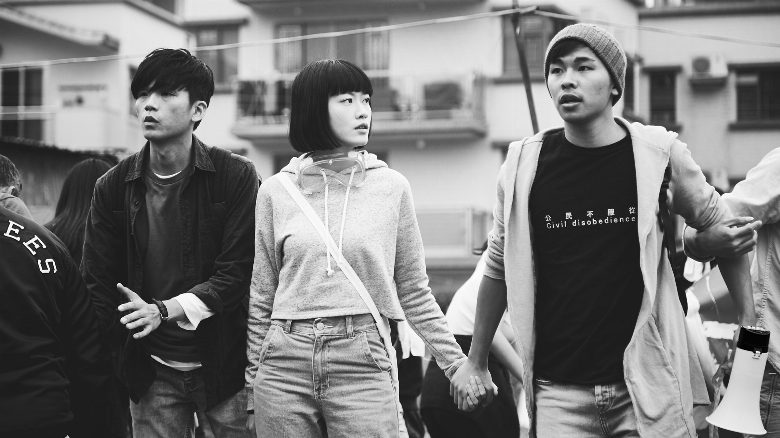
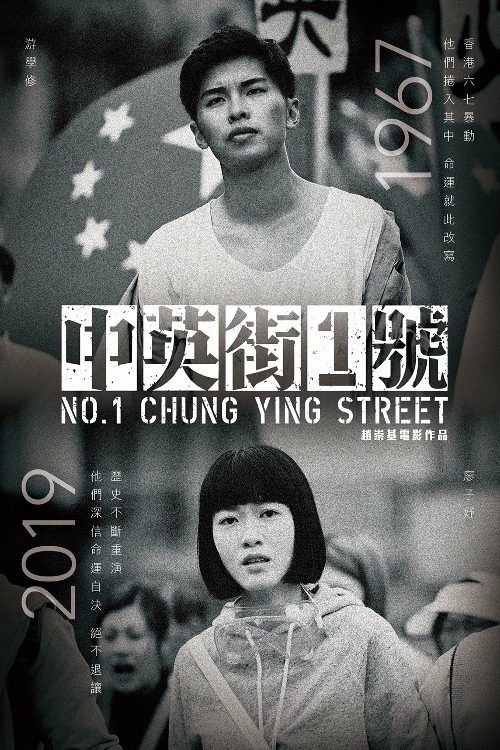
Four young lives were changed forever when they become involved in the 1967 Hong Kong Leftist Riot; half a century later, another four face similar challenges amidst the Mainland-Hong Kong conflict.
Derek Chiu captures the haunting echoes of political upheaval by bridging two distinct generations through the lens of Hong Kong social unrest. Rather than offering a traditional historical procedural, the film functions as a diptych that mirrors the intensity of the 1967 riots against the backdrop of contemporary civil tensions. This structural choice highlights how the streets themselves serve as a silent witness to the cyclical nature of societal friction, moving away from simple biography to explore the psychological toll of collective activism. By juxtaposing the fervor of the mid-sixties with the complex anxieties of the modern era, the narrative asks difficult questions about identity, belonging, and the price of standing for one's convictions in a shifting metropolis.
The film resonates deeply with viewers who appreciate regional dramas that prioritize sociological inquiry over spectacle. While many Hong Kong productions lean into high-octane action or polished commercial narratives, this project remains firmly rooted in the gritty, intimate tradition of independent character studies. It serves as a compelling recommendation for those interested in the evolution of local resistance and how the weight of the past dictates the choices of the present. The performances, particularly from the ensemble cast, ground the lofty political themes in authentic human vulnerability, ensuring that the ideological clashes never overshadow the individual tragedies unfolding on screen.
Derek Chiu continues to demonstrate a keen interest in the intersection of private lives and public turbulence, a hallmark of his filmmaking career. By focusing on how external volatility disrupts personal milestones, the director avoids the traps of didacticism, preferring instead to let the weight of historical memory hang heavy over his characters. For audiences who have followed the shifting landscape of Asian cinema, this work stands as a stark reminder of the director’s ability to weave political nuance into the fabric of daily life. It is an essential watch for cinephiles who seek cinema that challenges the status quo while remaining deeply invested in the human cost of history. The film suggests that while the eras change, the fundamental struggle to define one's place within a volatile state remains a constant, universal conflict.