About No End
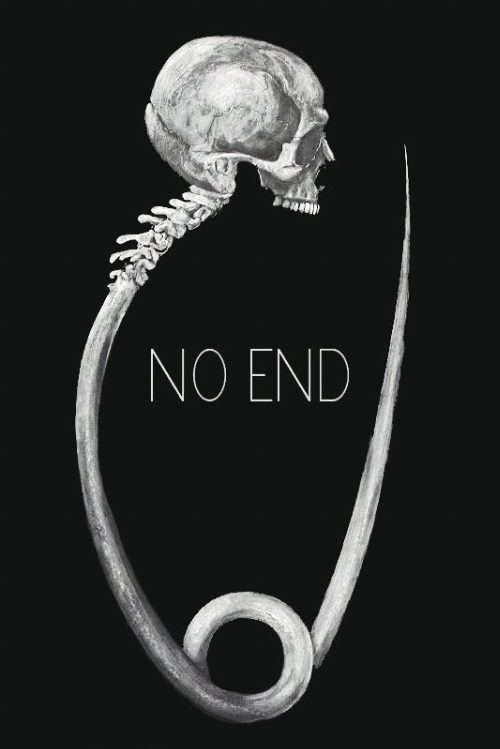
1982, Poland. A translator loses her husband and becomes a victim of her own sorrow. She looks to sex, to her son, to law, and to hypnotism when she has nothing else in this time of martial law when Solidarity was banned.
In the stark realities of 1980s Poland, where political upheaval cast a long shadow over everyday life, a poignant drama emerges that delves into the profound depths of human grief and the desperate search for solace. No End, a 1985 Polish film, navigates the turbulent landscape of martial law and the suppression of movements like Solidarity, but its heart lies firmly in the intensely personal struggle of a translator grappling with the sudden loss of her husband. This is not merely a film about a specific historical moment; it's a universal exploration of how individuals cope when their world is irrevocably shattered, examining various avenues of escape and connection, from the physical to the psychological.
The film's distinctiveness stems from its unflinching portrayal of a woman pushed to her limits, seeking answers and comfort in unconventional and often fraught ways. Her journey takes her through an array of coping mechanisms, including intimate relationships, the complexities of her maternal bond, the rigid structures of the legal system, and the more esoteric realm of hypnotism. These disparate pursuits highlight the universal human need for meaning and stability in the face of overwhelming emotional devastation. While the political backdrop of Poland in the early 1980s provides a potent context of societal constraint and unspoken anxieties, the narrative primarily focuses on the internal world of its protagonist, making it a deeply intimate and resonant experience.
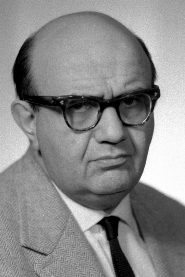
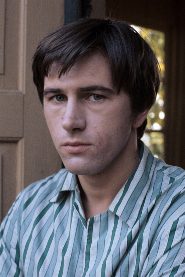
Viewers who appreciate character-driven dramas that tackle complex emotional themes with nuance and sensitivity will find No End particularly compelling. It’s a film that rewards patience and contemplation, offering a window into the resilience and vulnerability of the human spirit. While the film hails from Poland, its exploration of loss, the search for connection, and the impact of external pressures on personal lives transcends geographical boundaries, offering a relatable narrative for audiences worldwide. The ensemble cast, featuring Aleksander Bardini and Jerzy Radziwiłowicz, lends significant weight to the film's emotional core, guiding the audience through this profound and often melancholic, yet ultimately humanistic, exploration of survival.
Cast(18)